“I believe images can convey the magic of a place — its colours, its landscapes. Particularly in a world unfamiliar to children, it’s so valuable to give them visuals and allow them to travel through these places a little, alongside the animals or through a particular landscape.”
Marieke ten Berge
Illustrator and author
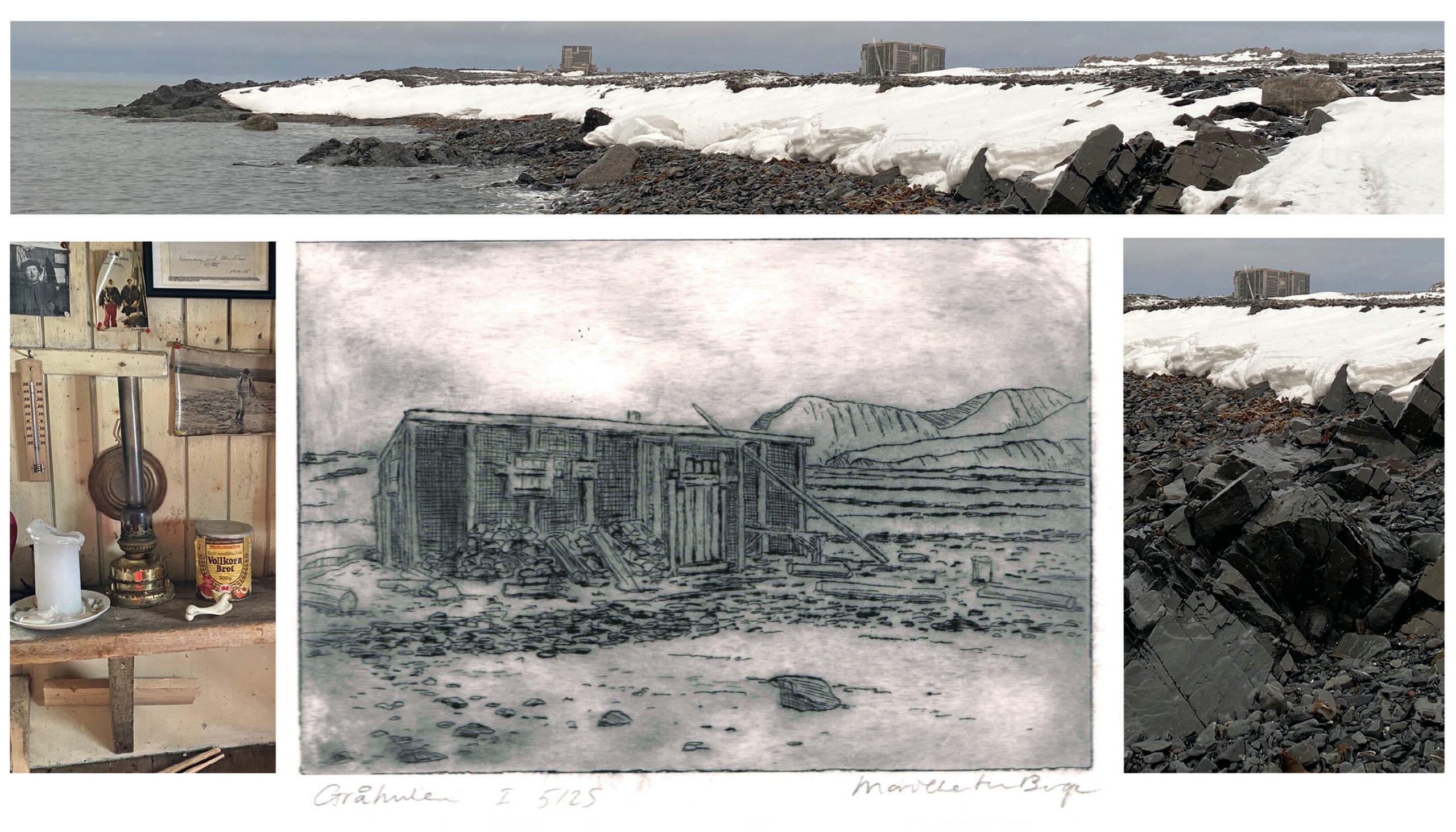
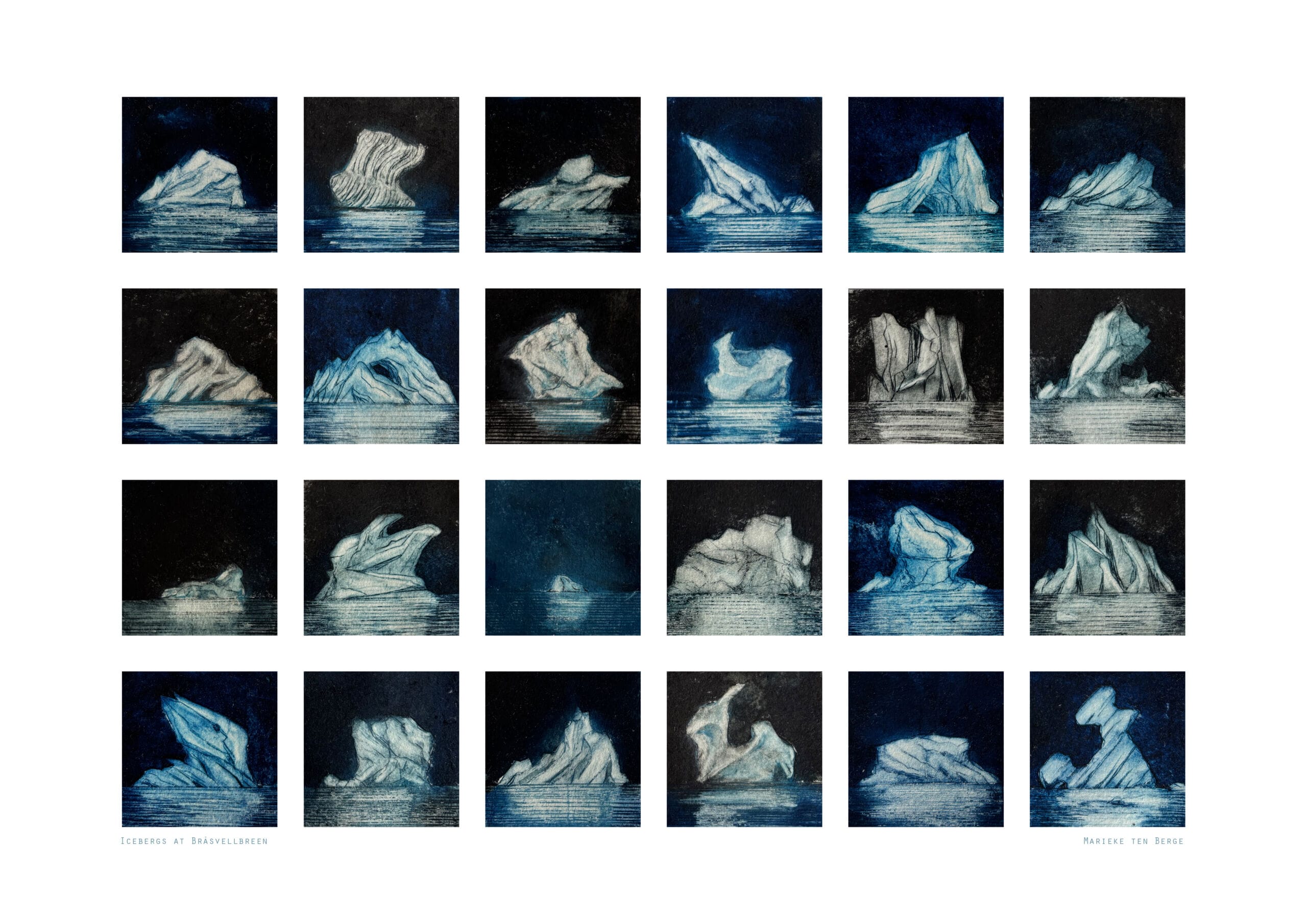
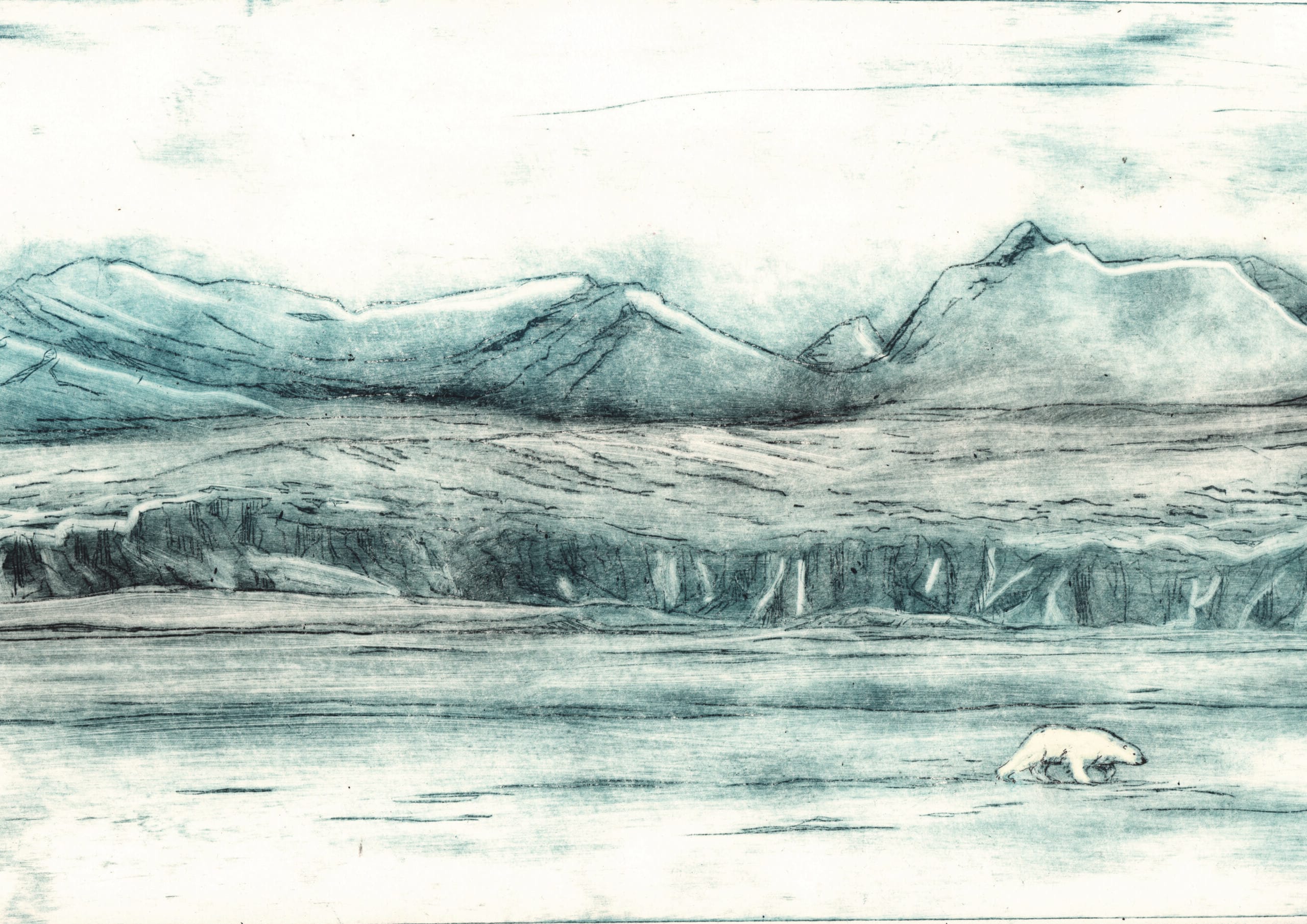
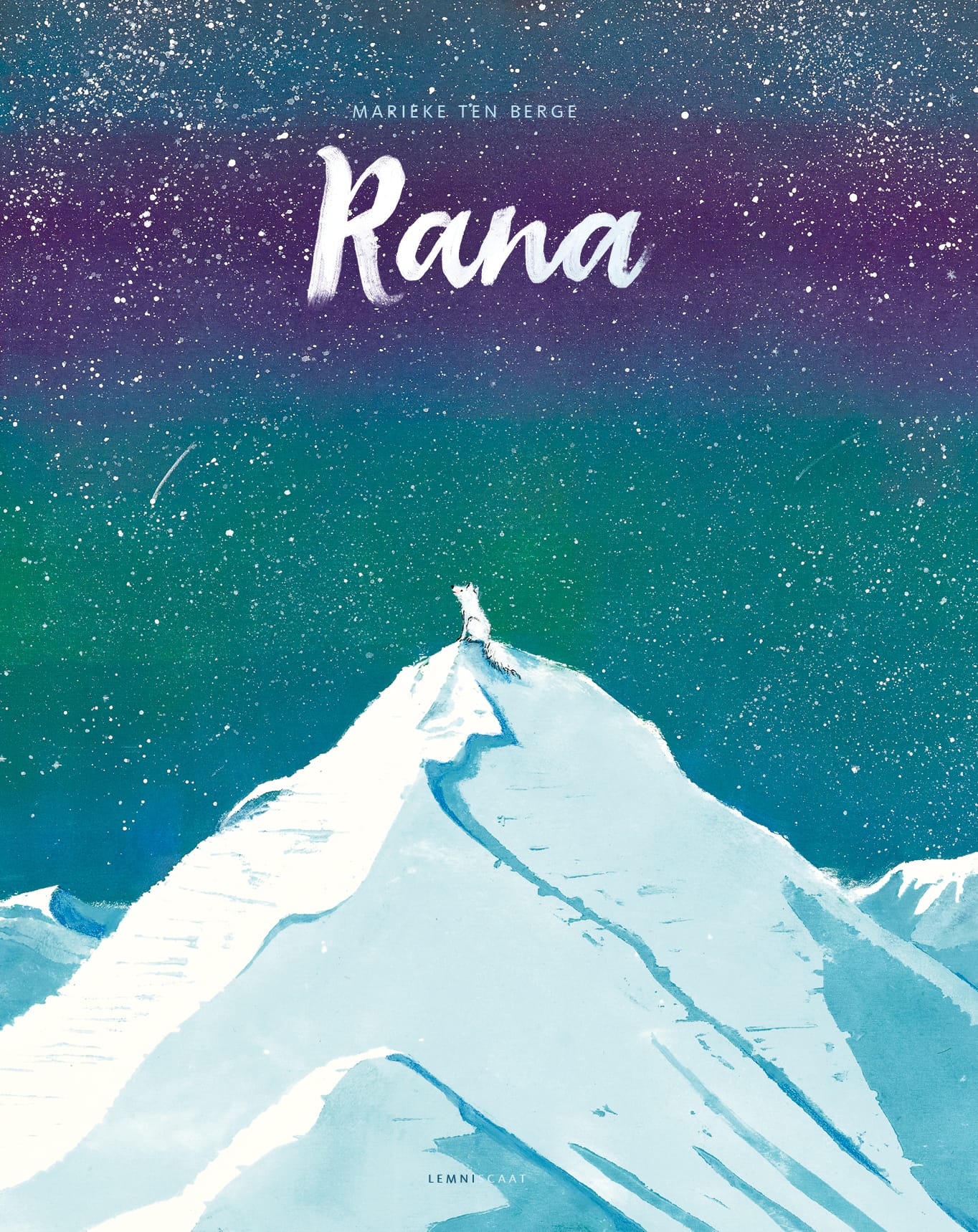
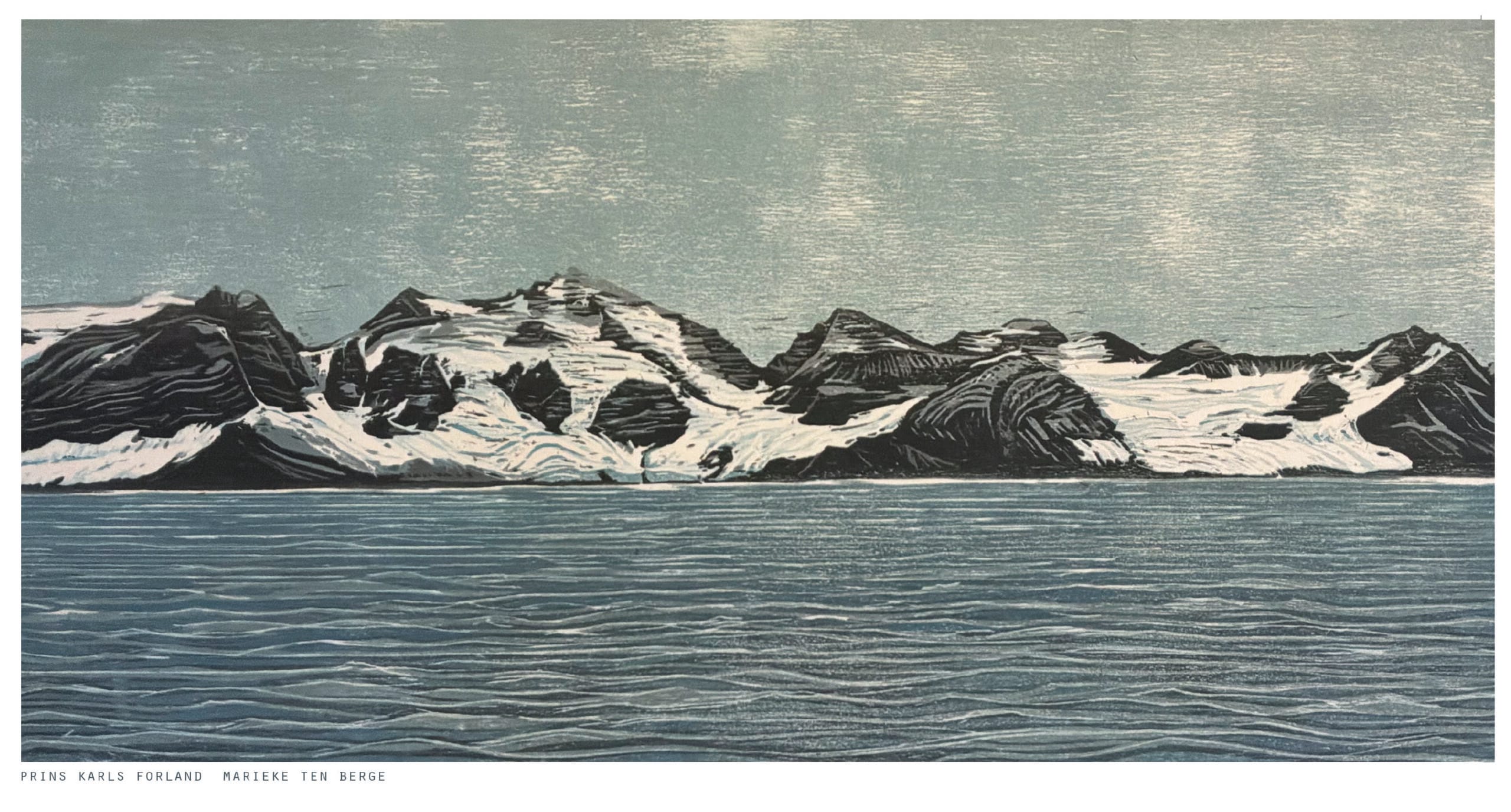
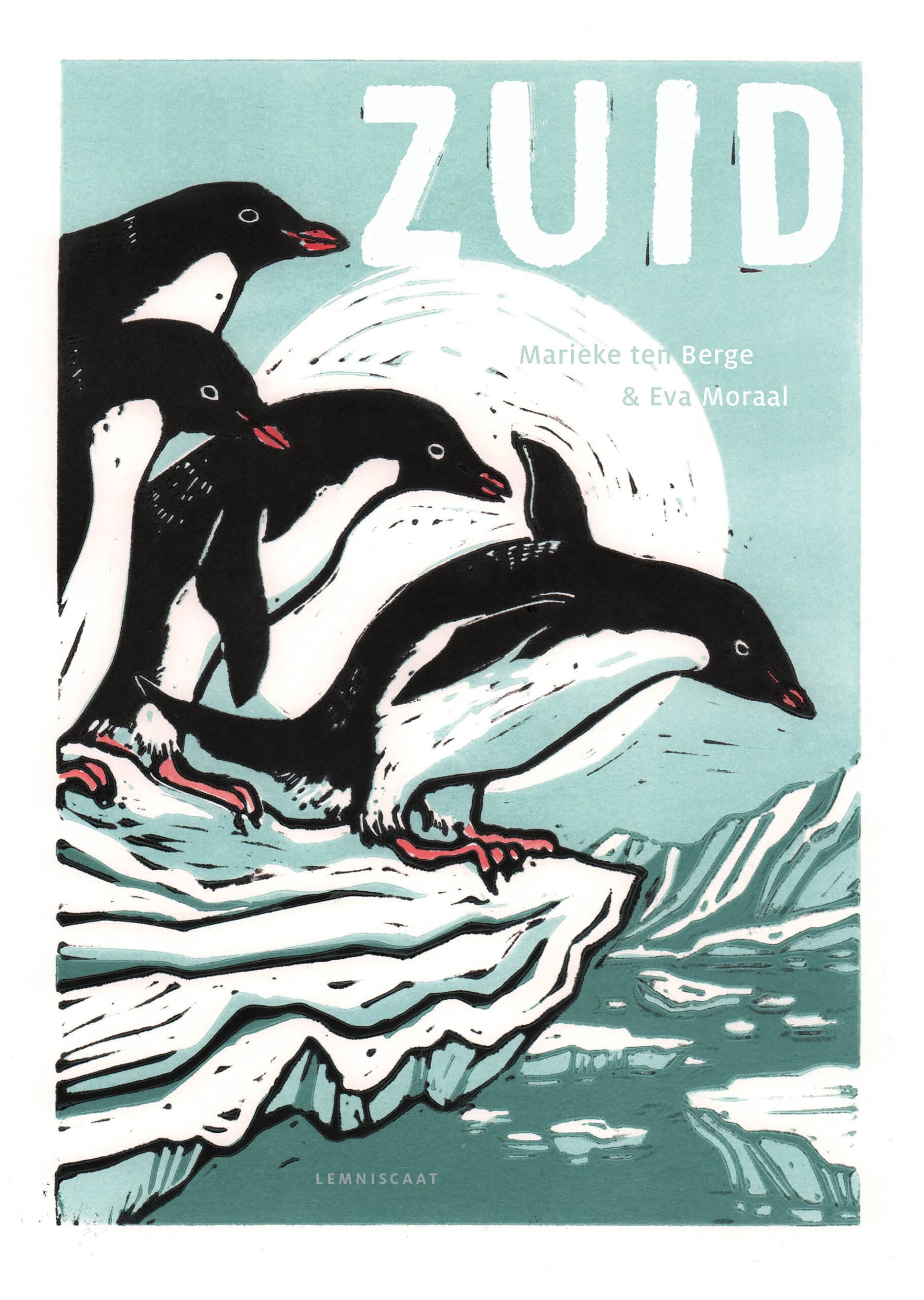
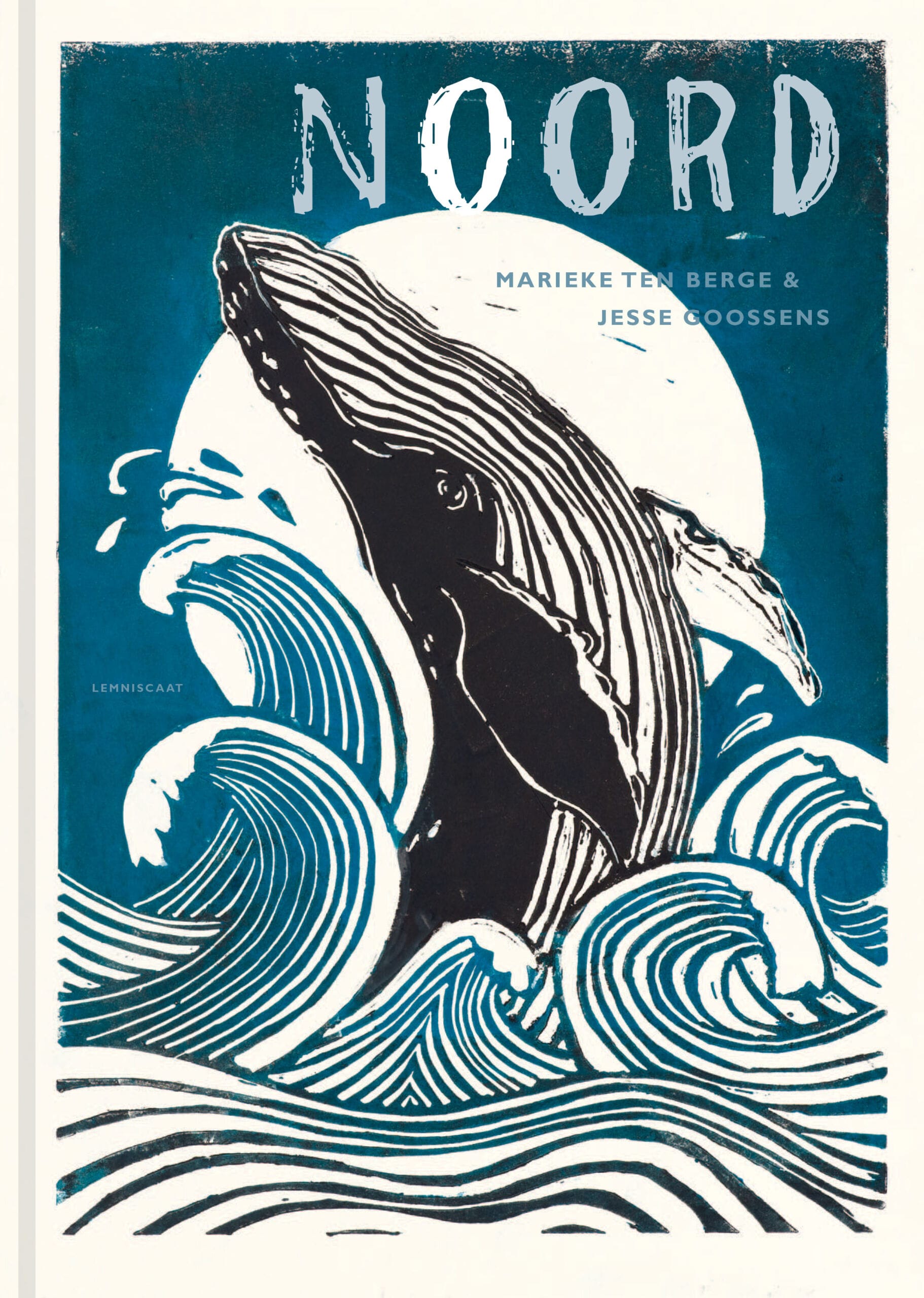
Marieke is an award-winning illustrator and author from the Netherlands, who creates visual stories inspired by the Arctic, wildlife, and environmental change. She’s best known for her beautifully crafted nature-inspired books, including Rana, Zuid, and the internationally acclaimed Noord. You can find some of her artworks beneath the interview⬇️ or on her website. Read the interview in Dutch here.
Where are you from and where are you currently based or working?
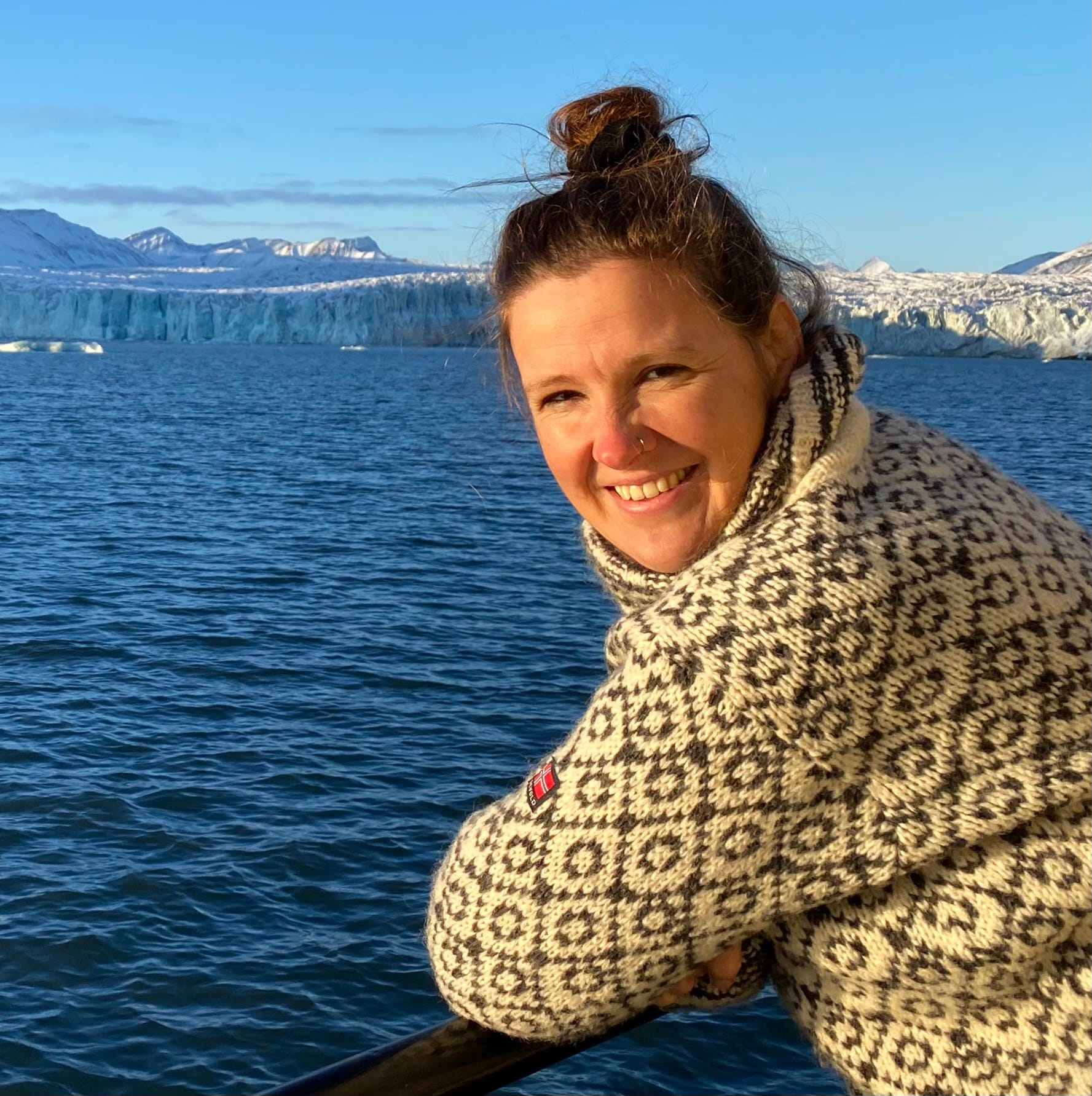
I live in the Netherlands, but I spend a lot of time in Norway and every year on Svalbard, where I stay as an artist in residence.
What are you currently working on and what does a typical day look like for you?
I’ve just returned from Svalbard, where I completed my picture book about the polar regions and worked on my ice diaries. I also teach creative techniques there together with a fellow artist.
Now that I’m back in the Netherlands, I’m working on a children’s book full of icy stories from world history together with Adwin de Kluyver. When I’m in the Netherlands, my workday is usually much the same: after breakfast I only have to walk through two doors because my studio is attached to my home, in a former cowshed. That’s where my printing press is, and where I work on my graphic and illustration projects.
When I work on location, things are different — especially on Svalbard — because I spend more time out in the field, immersing myself in the themes of my projects and speaking with people who can help me with information about a particular subject.
Was there anything specific that inspired you during your stay in the polar regions that you want to capture in your art?
My focus depends on the project. For children’s books, I’m more focused on wildlife. But for my graphic projects, my research area is mainly glaciers and sea ice.
The inspiration is immense because everything changes so quickly — in colour, in shape, and in how the landscape adapts to current climate change.
What surprised you most about the polar regions that is not often reflected in visual storytelling?
That you can’t plan anything. Something always happens that forces your own plans aside. For me, that’s an enormous lesson in understanding who is really in charge.
How has physically being in the polar regions (if applicable) influenced your work compared to imagining them from afar?
I think it makes my work more deeply lived. Observing is one thing, but feeling it, touching it, seeing the daily changes — the cutting wind, or conversely the wind that blows in too much warm air and transforms the landscape again within an hour — allows me to empathize more deeply with my work.
For Zuid, I consciously chose not to travel to Antarctica, but instead to rely on sources, images, and people from my network who had been there as scientists or guides.
Noord and Zuid introduce children to the polar regions. What responsibility do you feel in shaping a child’s first mental image of these places?
I feel a great responsibility to portray facts accurately, but also to depict the animals respectfully while still making them engaging for children. True to nature, but accessible.
I hope these books inspire wonder, allow children to travel to unfamiliar regions, and that by getting to know these animals they will take them into their hearts and become ambassadors for these places.
The books rely heavily on visual storytelling. What can illustration convey about these regions that text cannot?
Especially for children who are highly visual, imagery is incredibly important. I think text and image coexist and that one cannot exist without the other.
I believe images can convey the magic of a place — its colours, its landscapes. Particularly in a world unfamiliar to children, it’s so valuable to give them visuals and allow them to travel through these places a little, alongside the animals or through a particular landscape.
When text exceeds the limits of imagination, illustrations help support it. Although sometimes you also want to leave certain things to the imagination.
If you were to revisit Noord or Zuid today, would you change anything considering the rapid evolution of the polar story?
Climate change is already central in both books without making it feel heavy or hopeless. That’s still very relevant today, but we also see how animals and nature adapt.
With my yearly stays on Svalbard, I see enormous changes in the warming of the region, the retreat of glaciers, the lack of sea ice — even in winter. Perhaps after five years we should revisit the books and adapt them to the current situation. Hopefully all the animals will still be there by then, because some populations are declining very rapidly.
And every region is different. For example, the polar bear population in Svalbard seems to be adapting in some ways. That doesn’t make them less vulnerable, but the region is constantly changing. With non-fiction about the polar regions, it would be wise to regularly reassess what is still current.
On the other hand, the books are also snapshots in time, and that’s beautiful too. I really want to show the world as it is now, even if it may look very different in the future.
Nature plays a central role in Rana. Do you see nature as a setting, a character, or a moral framework?
Rana is mainly about a small Arctic fox, but that Arctic fox is my tool for introducing children to the immense beauty of the polar landscape.
So it depends on the perspective from which you look at it. For me personally, nature is always the moral framework. But that is often too abstract for (young) children, which is why — as in Rana, and in my upcoming book Odin — I choose an animal character who moves through the landscape and learns lessons from it.
What is the best advice you’ve received so far in your career?
It’s cliché, but still: make work that is close to yourself, and sometimes dare to step outside your own intellectual or creative frameworks. That can bring new insights and new possibilities.
What is the biggest challenge you currently face in your career?
Whether I can fully specialize in polar-related work. I don’t think I can completely sustain that yet, but my goal — and therefore my challenge — is to focus entirely on it, both in my graphic work as an artist and in my non-fiction and fiction work as an illustrator.
Who has been your greatest mentor or source of support, and what have you learned from them?
Jan Wit and Paula de Ruiter. Since the early 1980s, they have both travelled annually to the polar regions with their own sailing ship, and they are both artists. I learn so much from them — from their beautiful stories and from their involvement in my life, both personally and as an artist.
And Sarah Gerats. She is a dear friend on Svalbard whose calmness and wisdom help me enormously in finding direction in my work and understanding my relationship to the polar landscape.
What advice would you give young artists who want to focus on the polar regions?
I definitely do not want to encourage mass tourism to these regions, but for artists there are beautiful alternatives such as the Arctic Circle residency or other residency programs.
Go for longer periods if you can, and if not, read a lot, watch documentaries, meet people who know the regions. That broadens your knowledge and your perspective, and that will always benefit your work.
What skill are you currently working on or hoping to develop? Are there underrepresented stories about the polar regions — scientifically, culturally, or ecologically — that deserve more attention in your opinion?
At the moment, I’m mainly working on various printmaking techniques. I want to expand these further in order to continue developing my glacier portraits.
I would very much like to deepen my understanding of land ice and how it relates to the rapid development of climate change, and I would like to build more scientific grounding around that. I’m also trying to train myself to depict landscapes or wildlife quickly but accurately, so I can document what I see without immediately taking photographs. By drawing it, I also preserve the feeling through the choices I make.
My dream is to join research vessels and document what I see through drawn imagery.
I would also really like to find a way to translate the importance of glaciers for children. How can that be captured in a format that is engaging, scientifically grounded, but still accessible and enjoyable for children to read and look at?