“Listen more than you speak. This is especially important when you work in Indigenous communities.”
Olga Ievleva
PhD Legal Aspects of Indigenous Hunting in the Arctic (Regulation of Inuit Hunting in Nunavut, Canada)
Olga comes from the Republic of Komi (Russia), and now lives in the Netherlands where she works at the Arctic Centre at the University of Groningen. She recently finished fieldwork in Nunavut, Canada, and is working on transcribing interviews for her research. A typical day for Olga usually starts with a cup of coffee and a chat with colleagues before getting into the work flow at her desk.
Have you been to the Arctic and/or Antarctic? If so, how would you describe your experience there?
“I grew up in what is known as the Sub-Arctic. So I am not new to low temperatures. When I was a kid, school sometimes got cancelled because of the temperature going lower than -30 or -35. These were the happiest moments for me, because I could go for a walk and slide from the hills instead of studying.
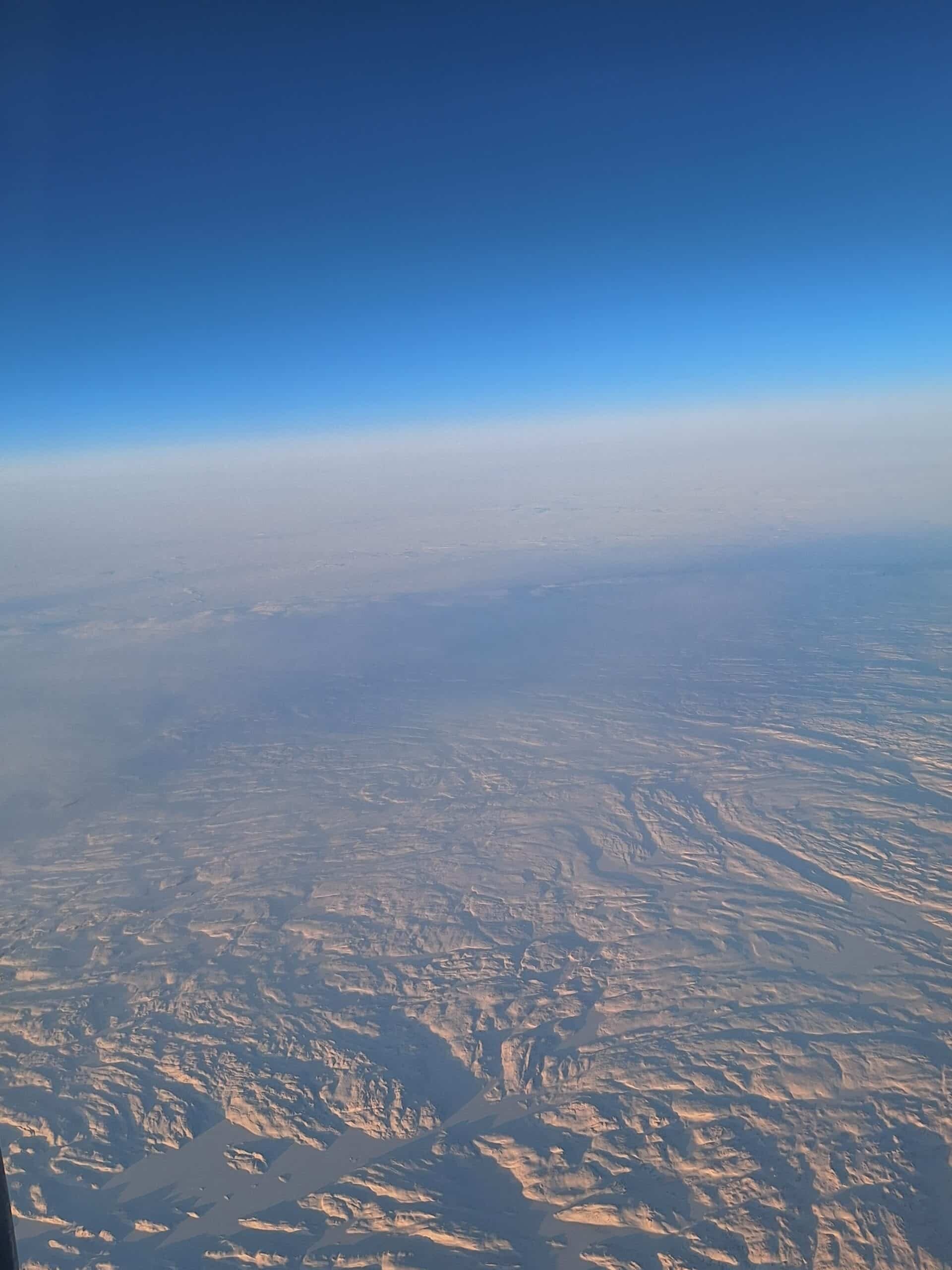
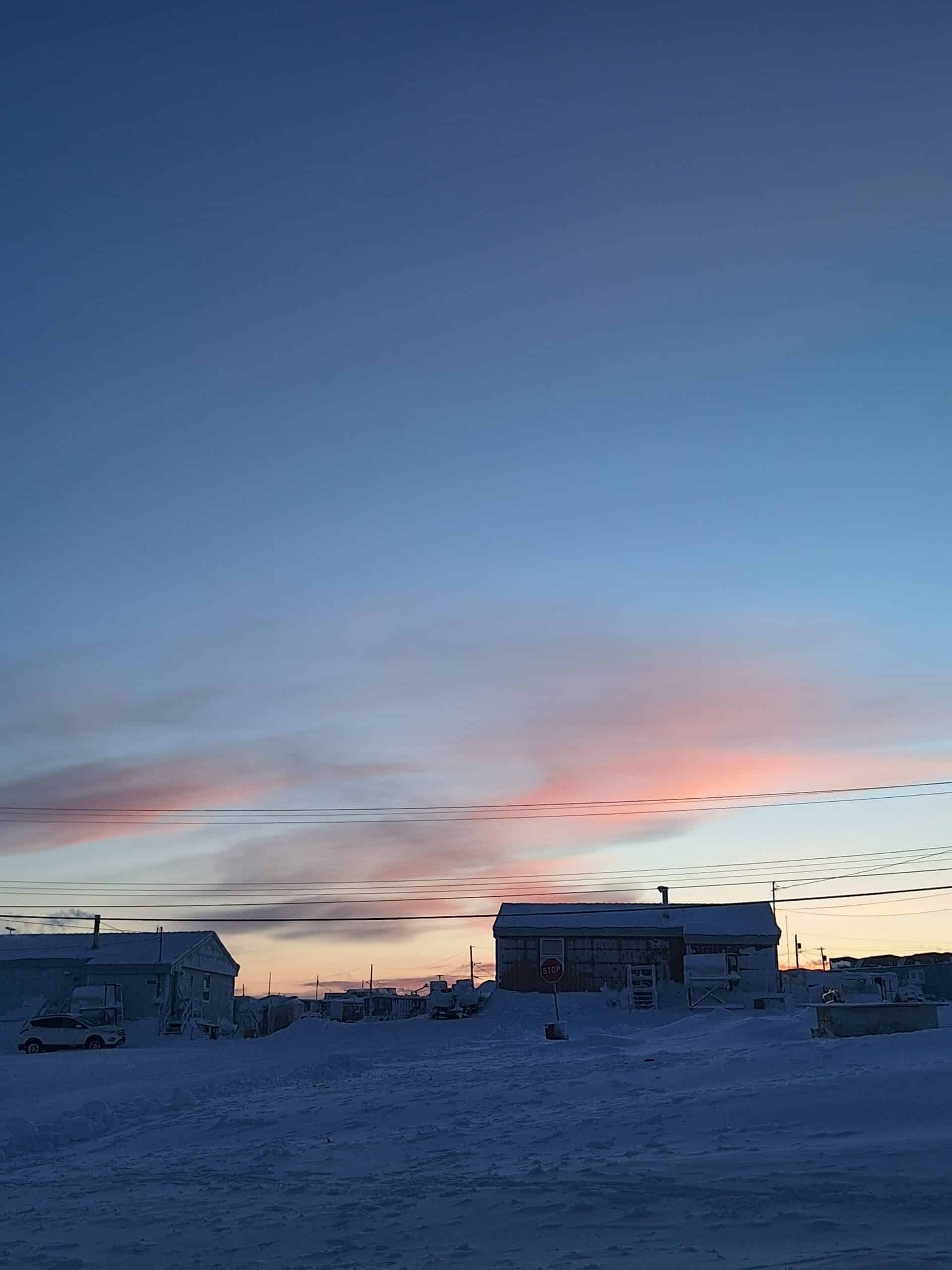
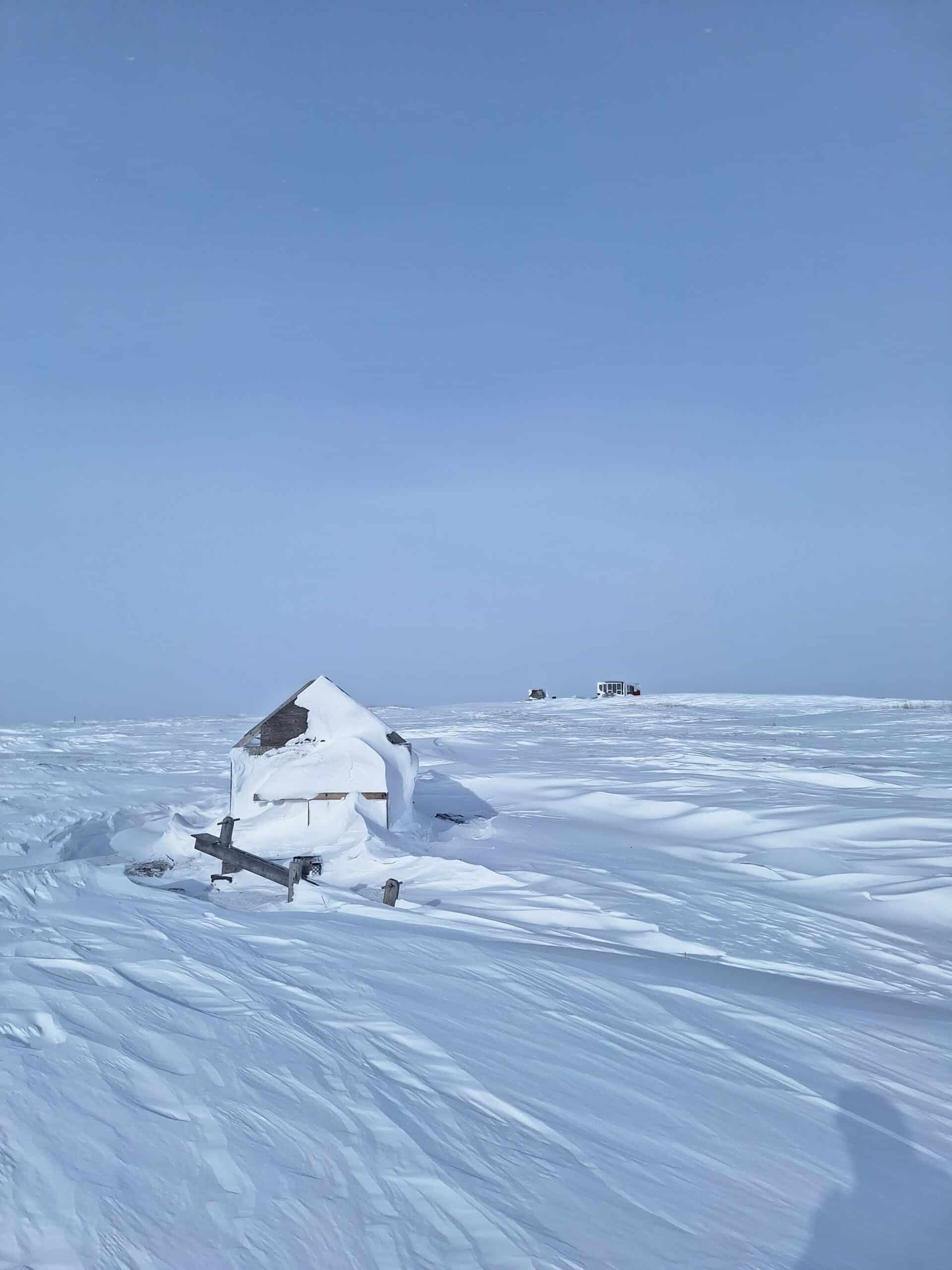
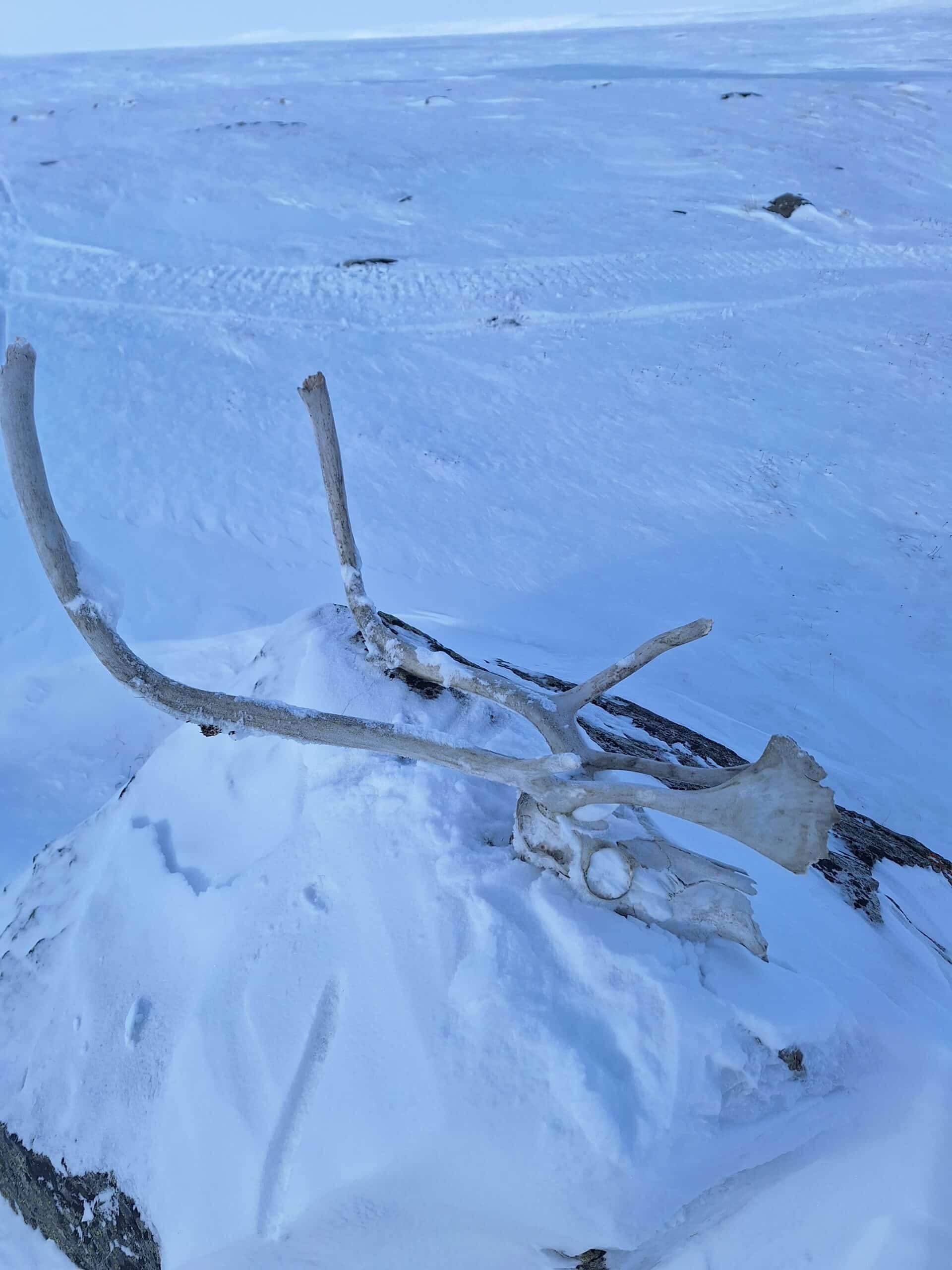
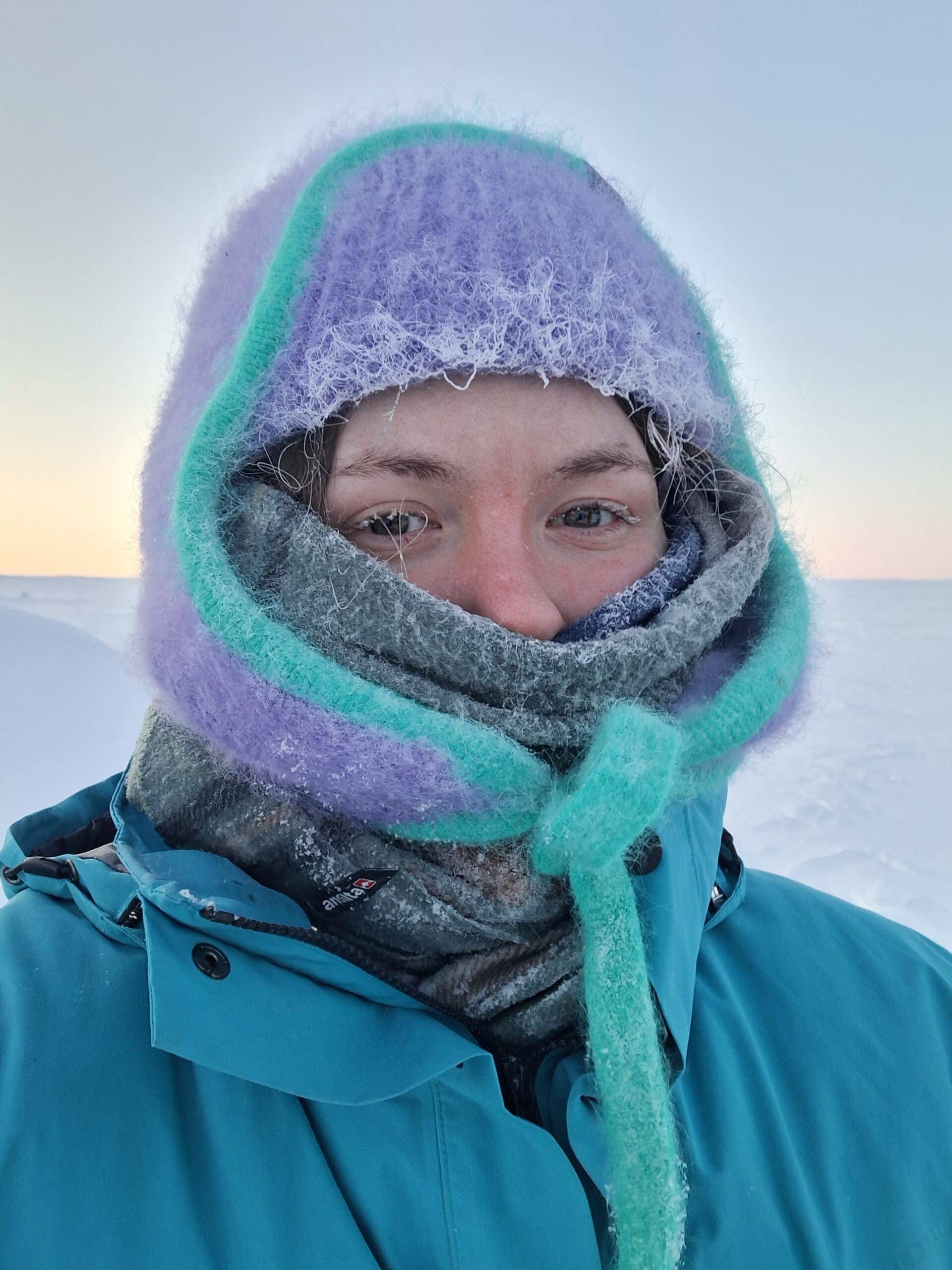
I also recently came from my fieldwork in Nunavut. It was around -40 which could be way below -50 with windchills. Working in the Arctic you have to keep a certain degree of flexibility because your plans might be intervened by the weather. I was stuck in Igloolik for a couple of days because of the weather.”
What are you currently working on and what does a typical day look like for you?
“I just finished my fieldwork in Nunavut, Canada. So I am working on transcribing interviews for my research. My typical day usually starts with a cup of coffee and a chat with colleagues, then I get into work flow and work on something at my desk. After lunch I set my desk in a standing mode, put some loud punk in my headphones and continue the work dancing (not always, but I am visualising it).”
What topic will you be presenting at NL Polar Day?
“The title is “Do Better! Research Ethics in the Work with Indigenous Communities in the Arctic: Regulation of Inuit Harvesting in Nunavut”. I am going to talk about research ethics based on my personal experience of writing the ethics application for my University, applying for the research license in Nunavut, compiling the informed consent form for Indigenous respondents and working with Indigenous communities, interacting with people in the communities. I work with Indigenous knowledge in my research so I want to avoid an extractivist approach. Instead I want to hand over as much control of the knowledge as possible to the owners, Indigenous people. There are certain challenges, which I would like to share with fellow researchers inviting people to join the conversation on how we as researchers can do better.”
What motivates you to carry on your research?
“People and nature of the Arctic. I am deeply inspired by the diversity of cultures and wisdom that is rooted in generational knowledge of the environment.”
What’s the best piece of advice you have been given when it comes to your career so far?
“Listen more than you speak. This is especially important when you work in Indigenous communities.”