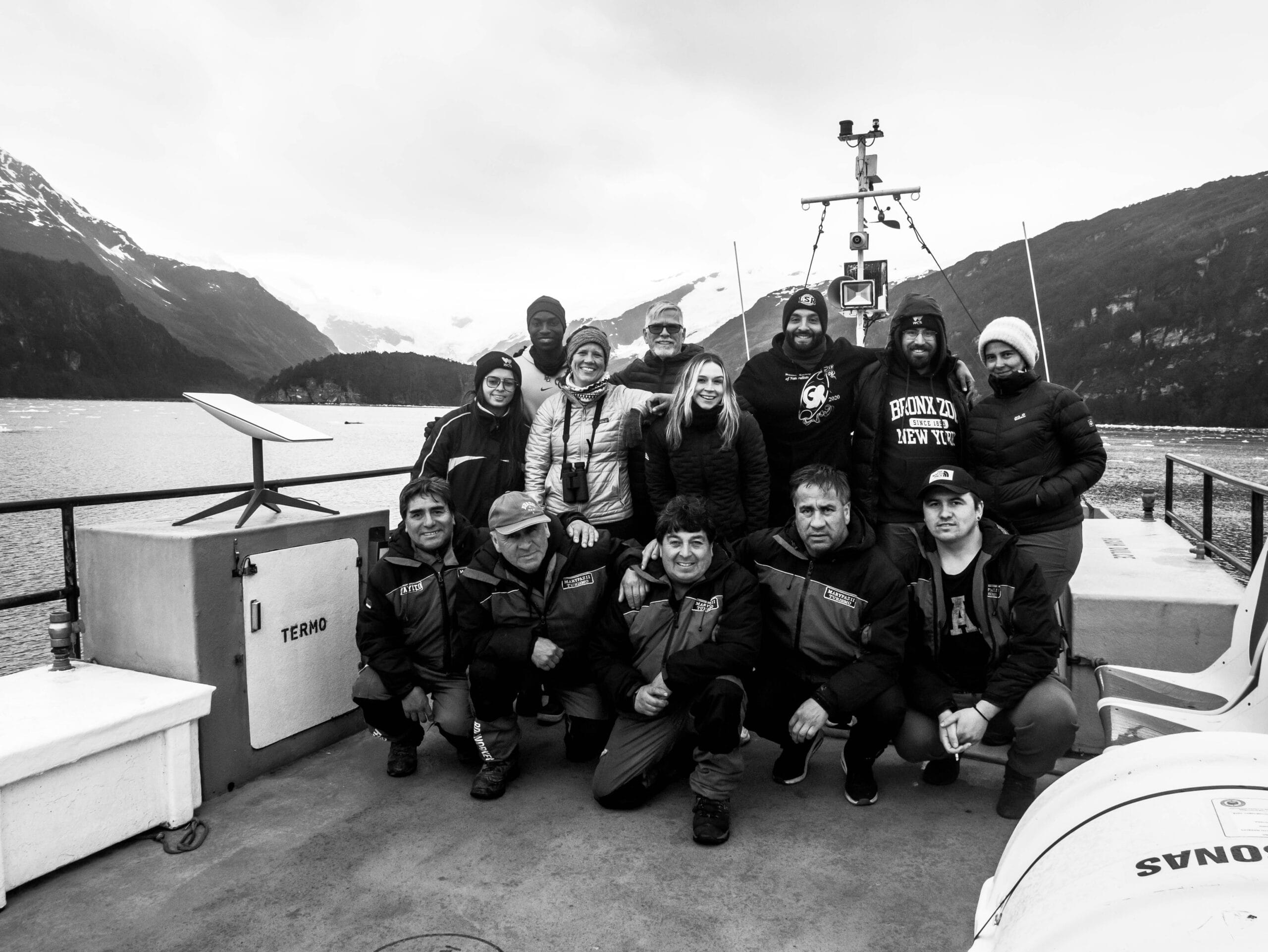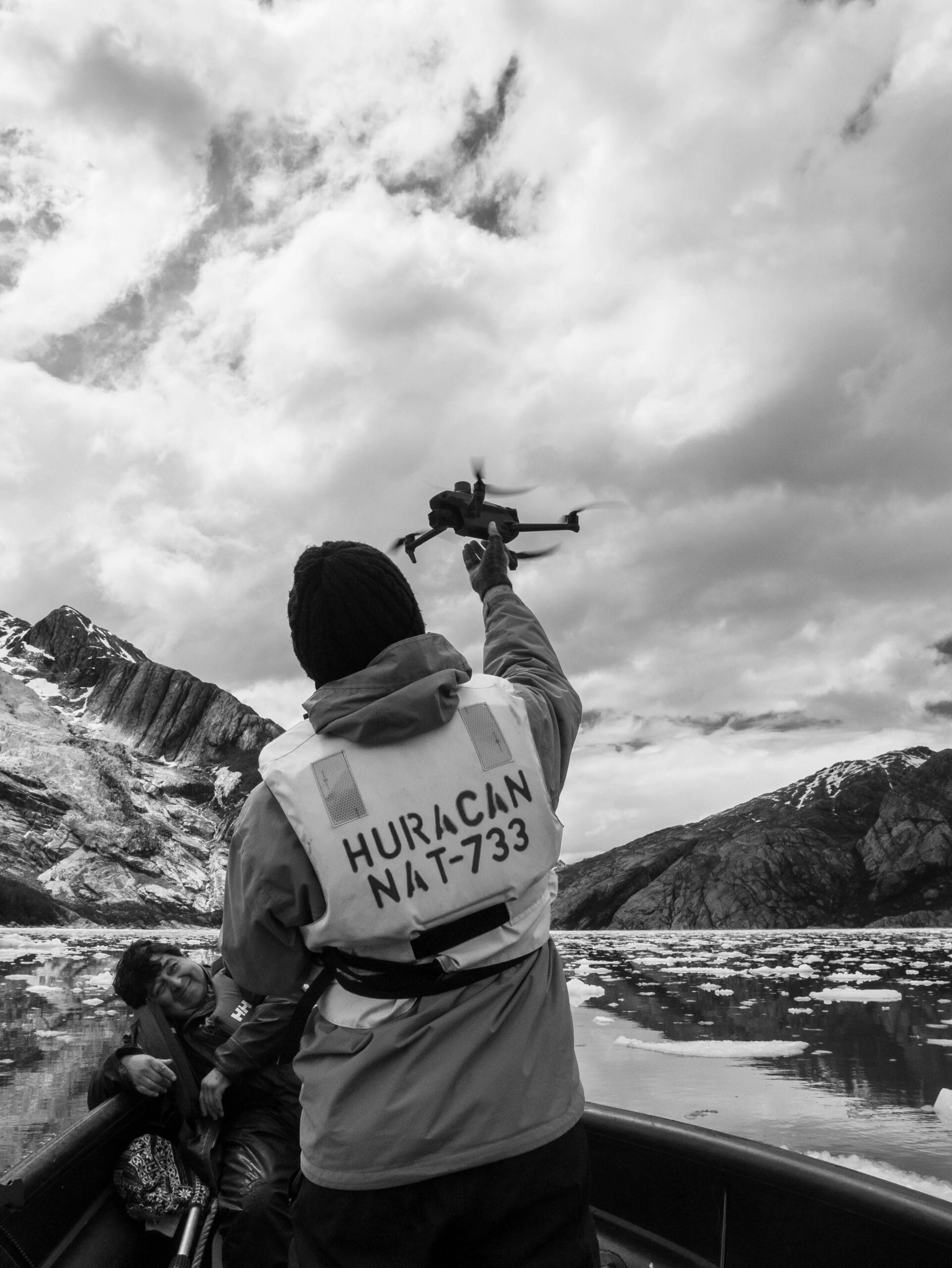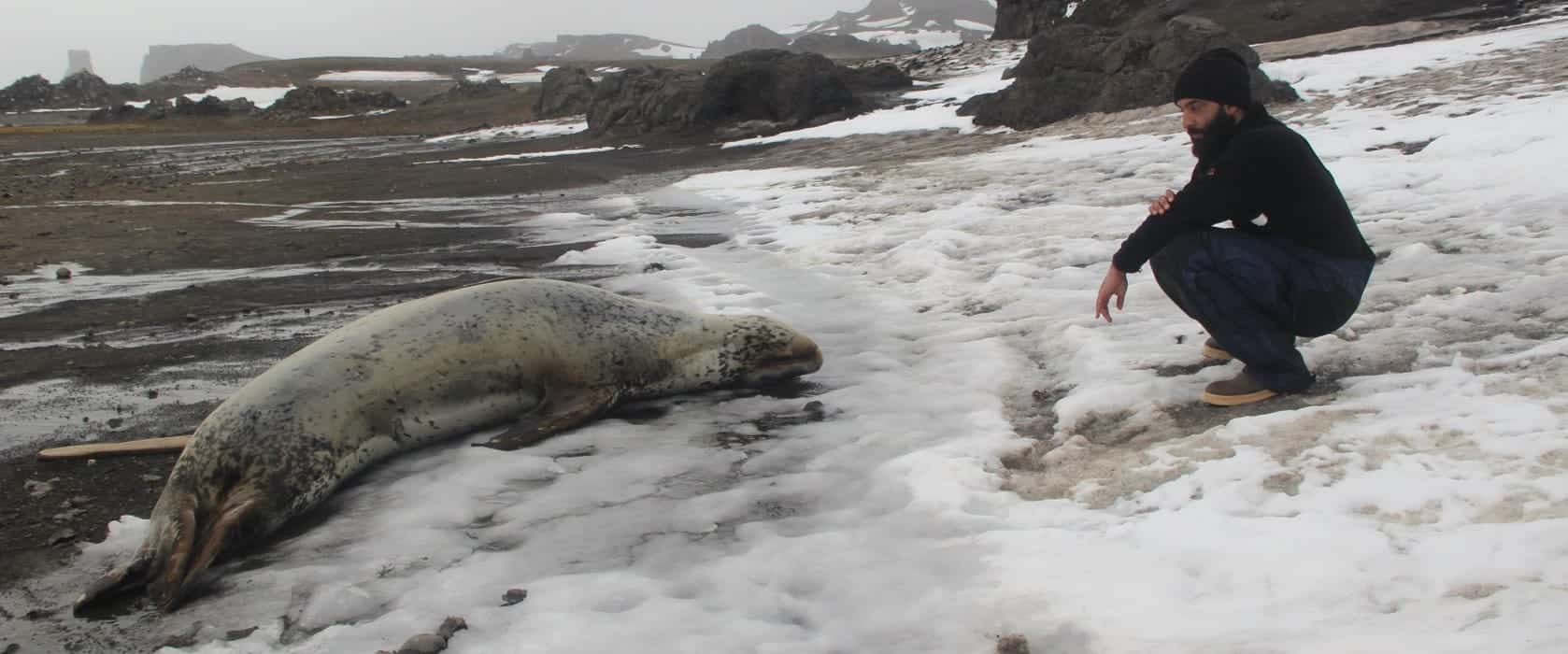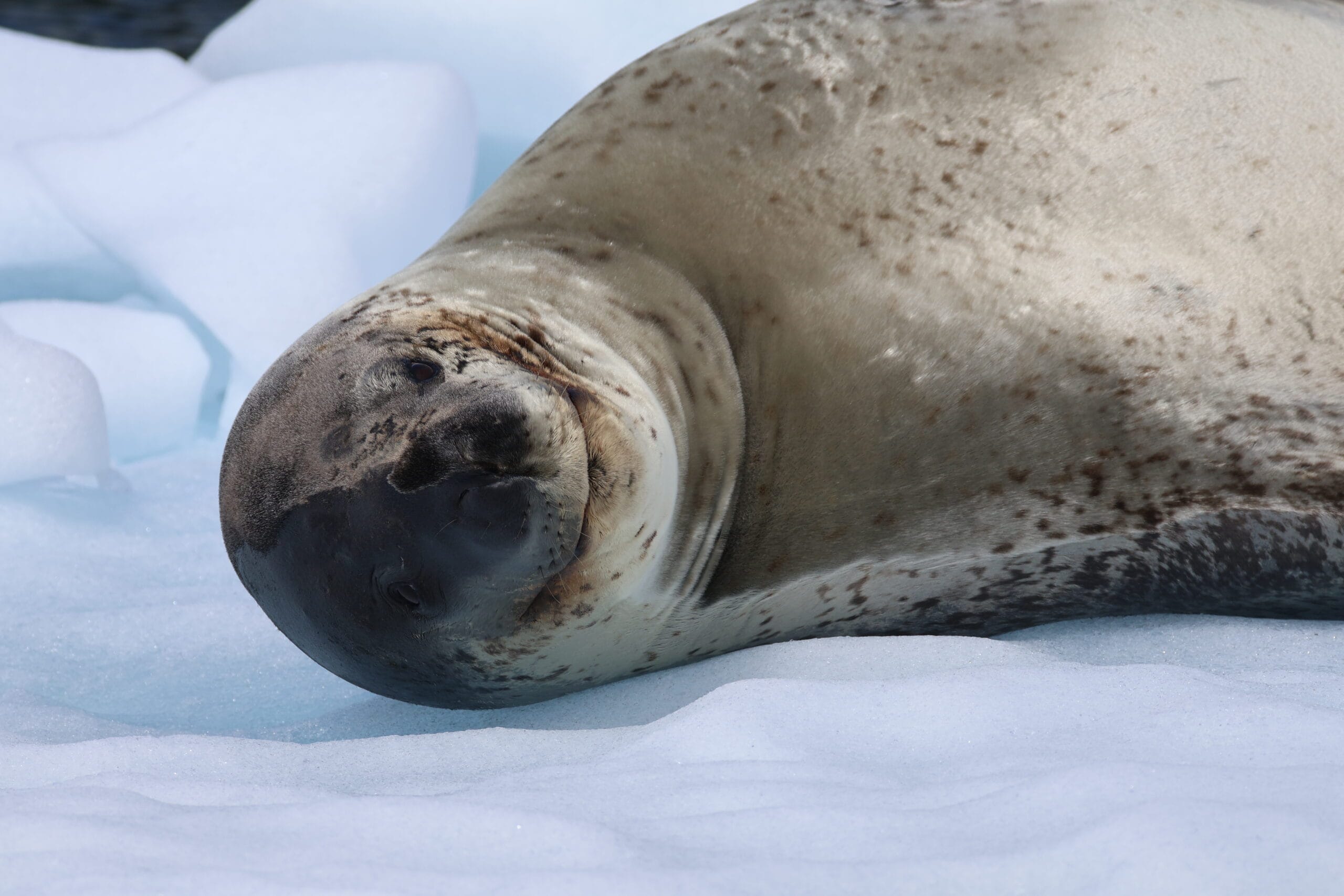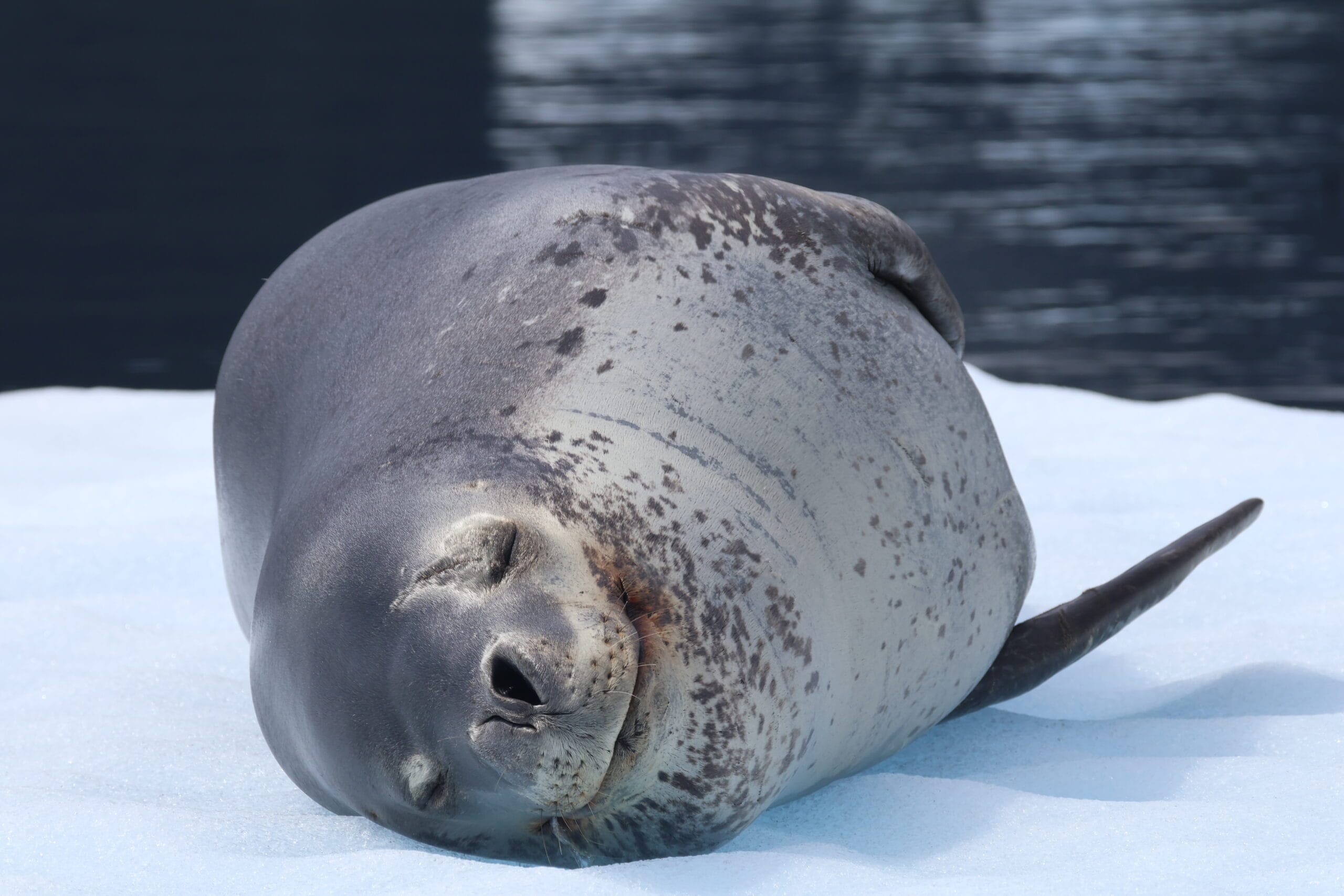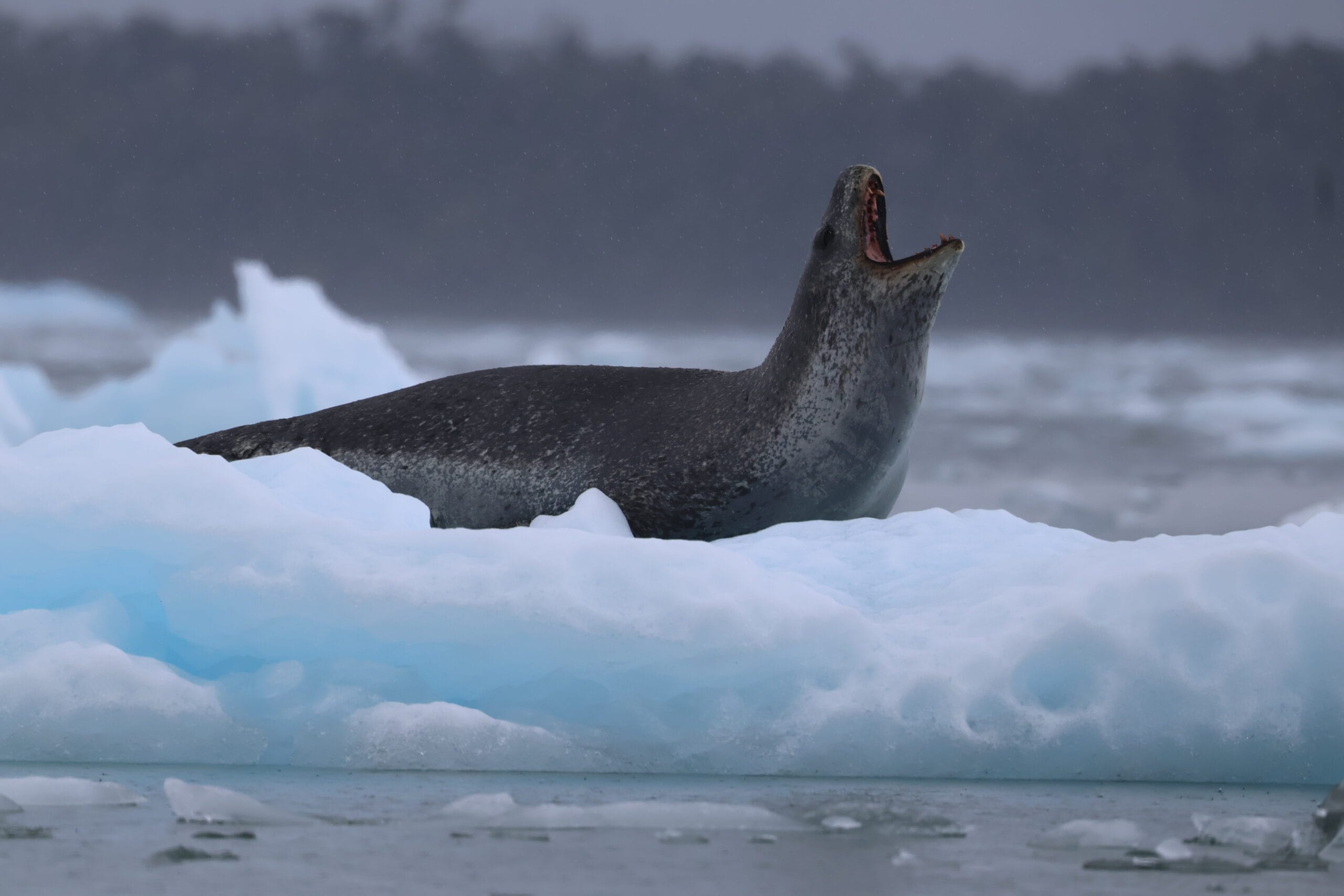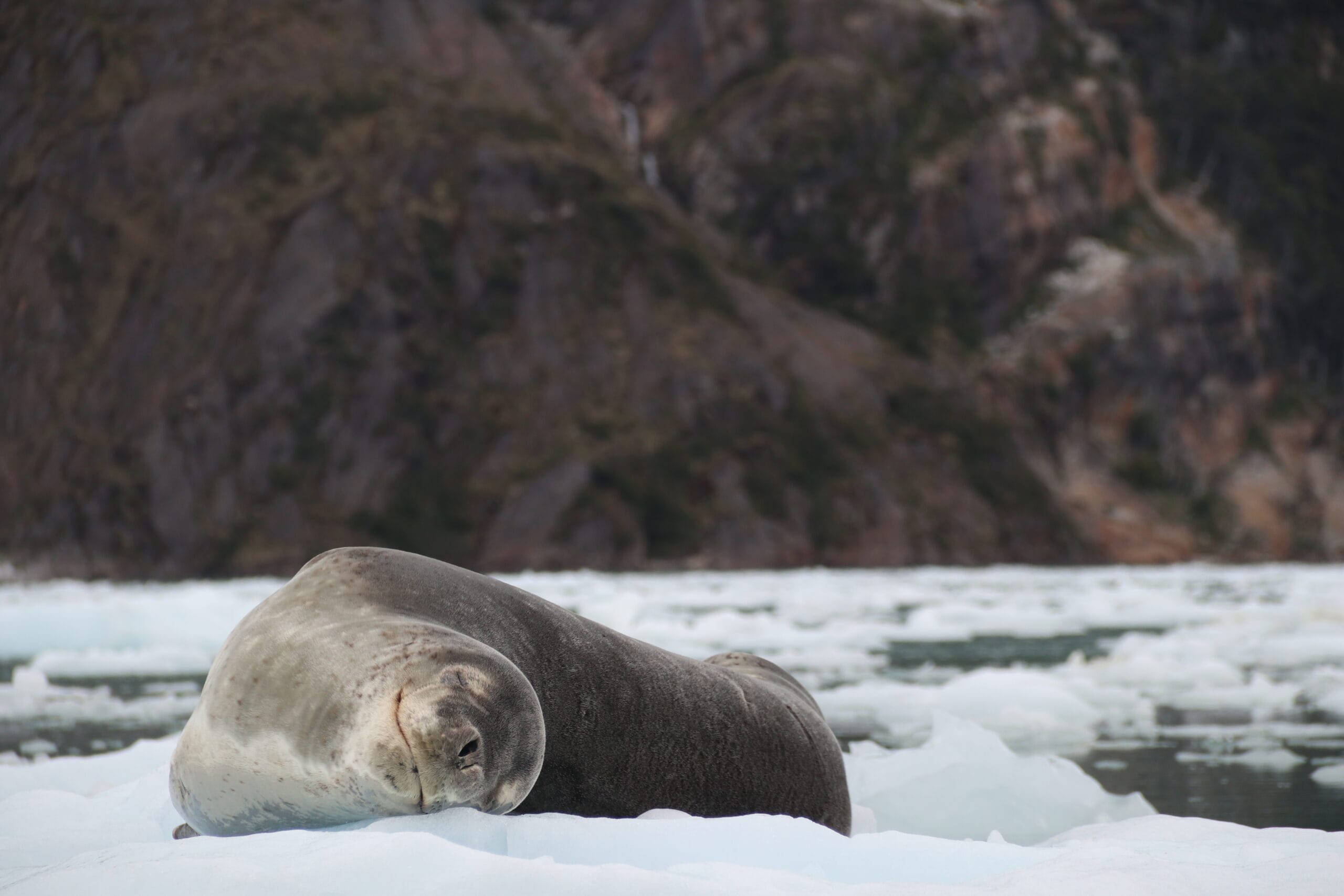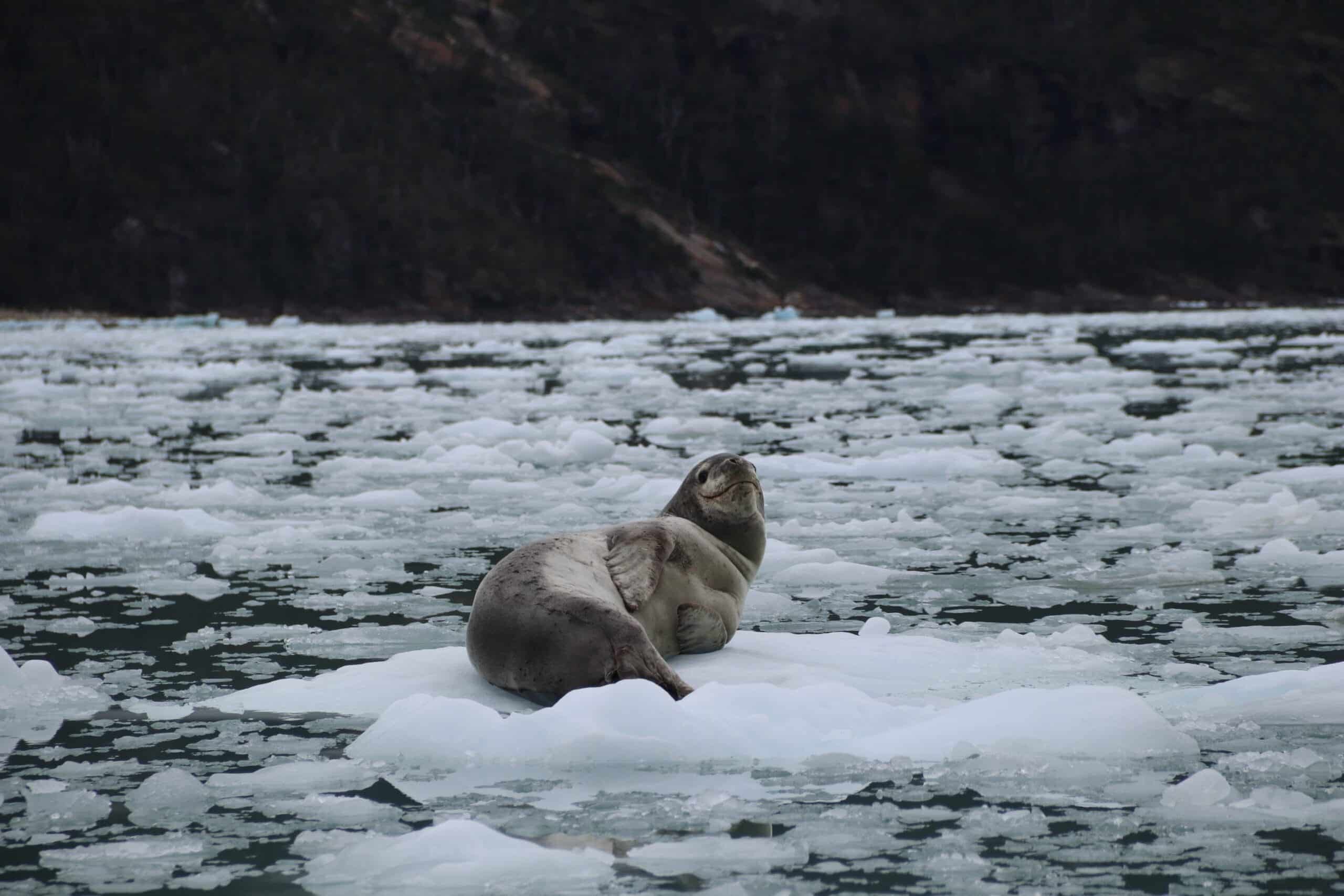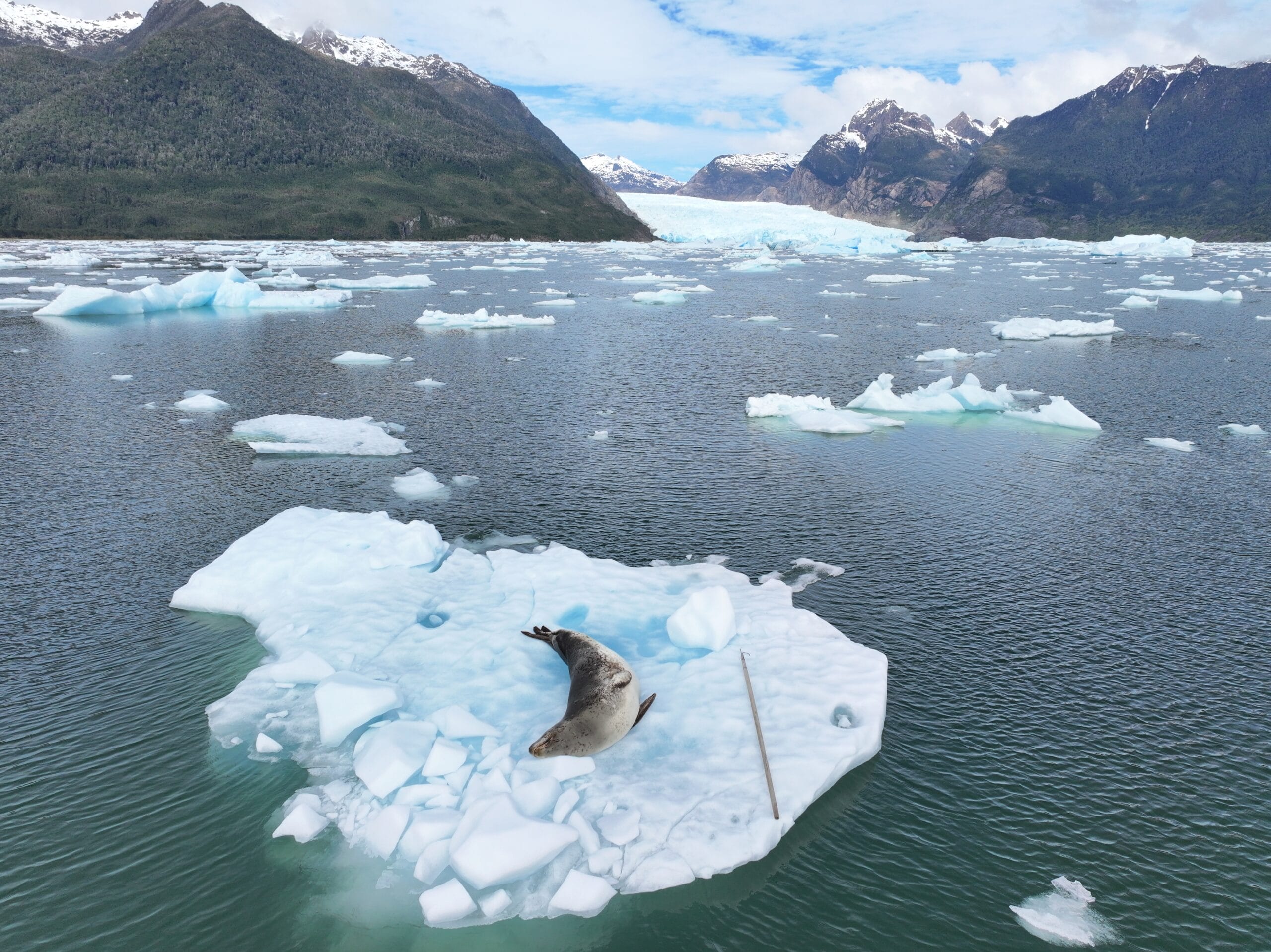
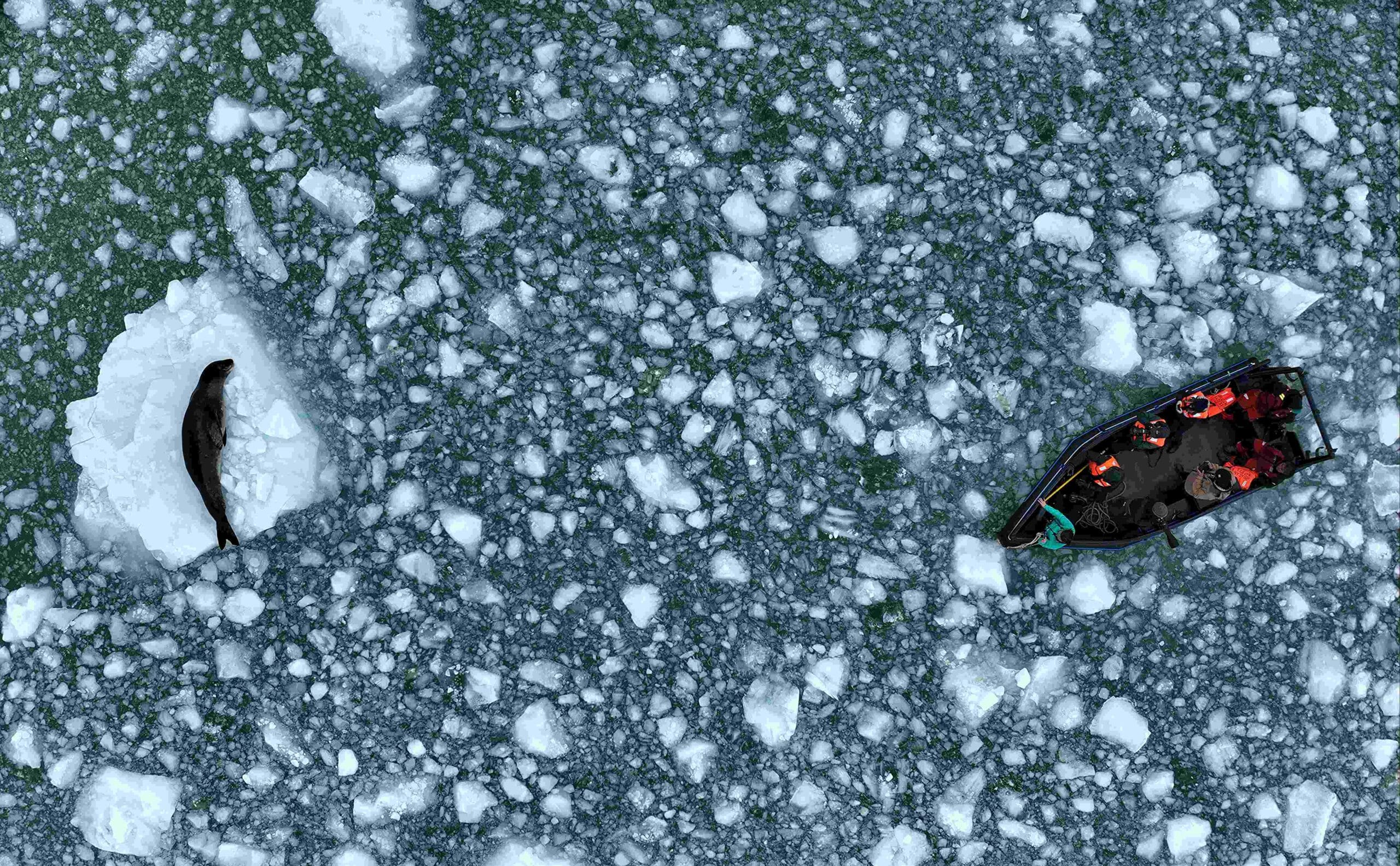
“For a few weeks each year, everything changes. I am out in the field collecting samples from leopard seals, navigating through icebergs, working in cold and remote environments, and experiencing some of the most beautiful places I have ever seen. For those weeks, I feel incredibly lucky.”
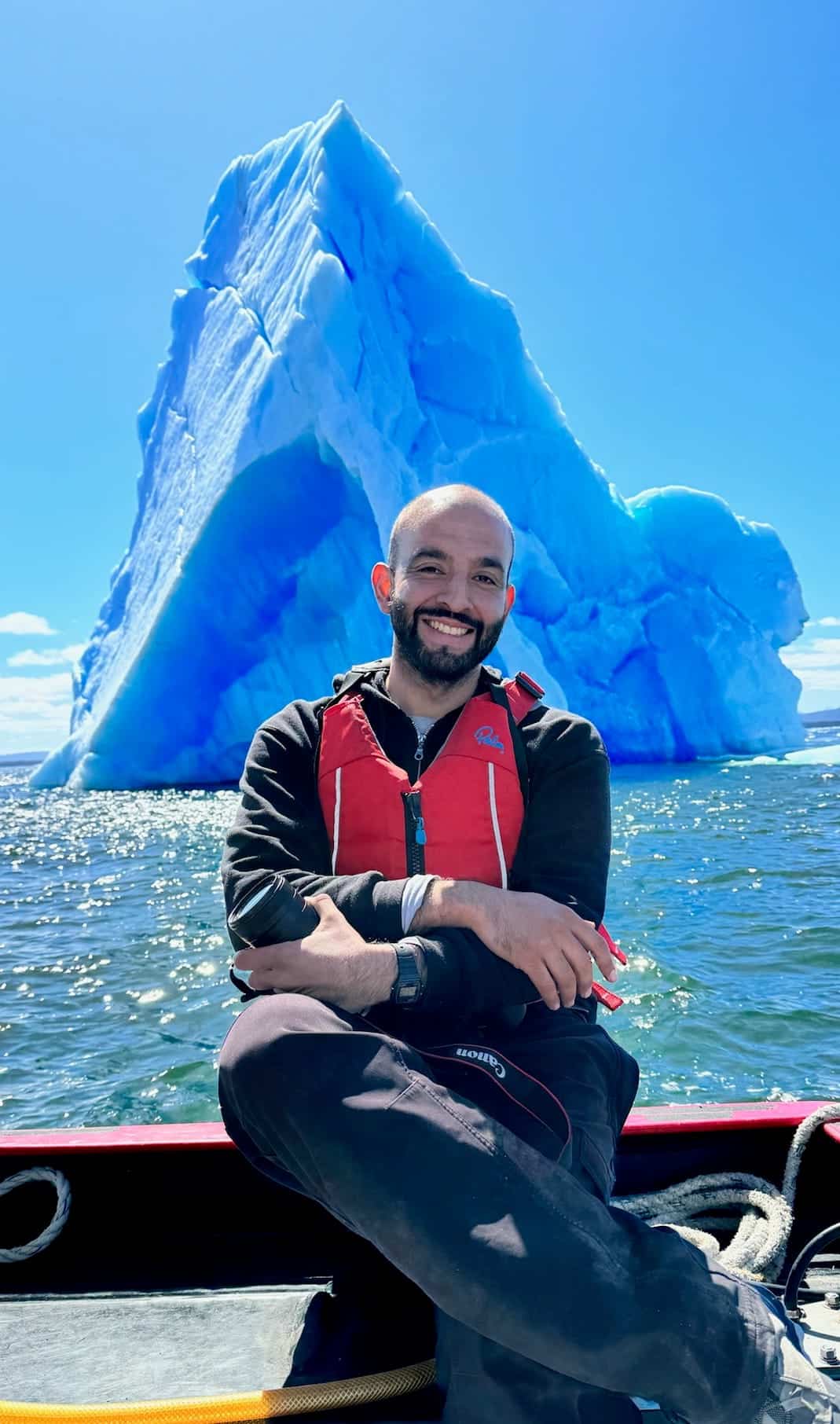
Renato Borras
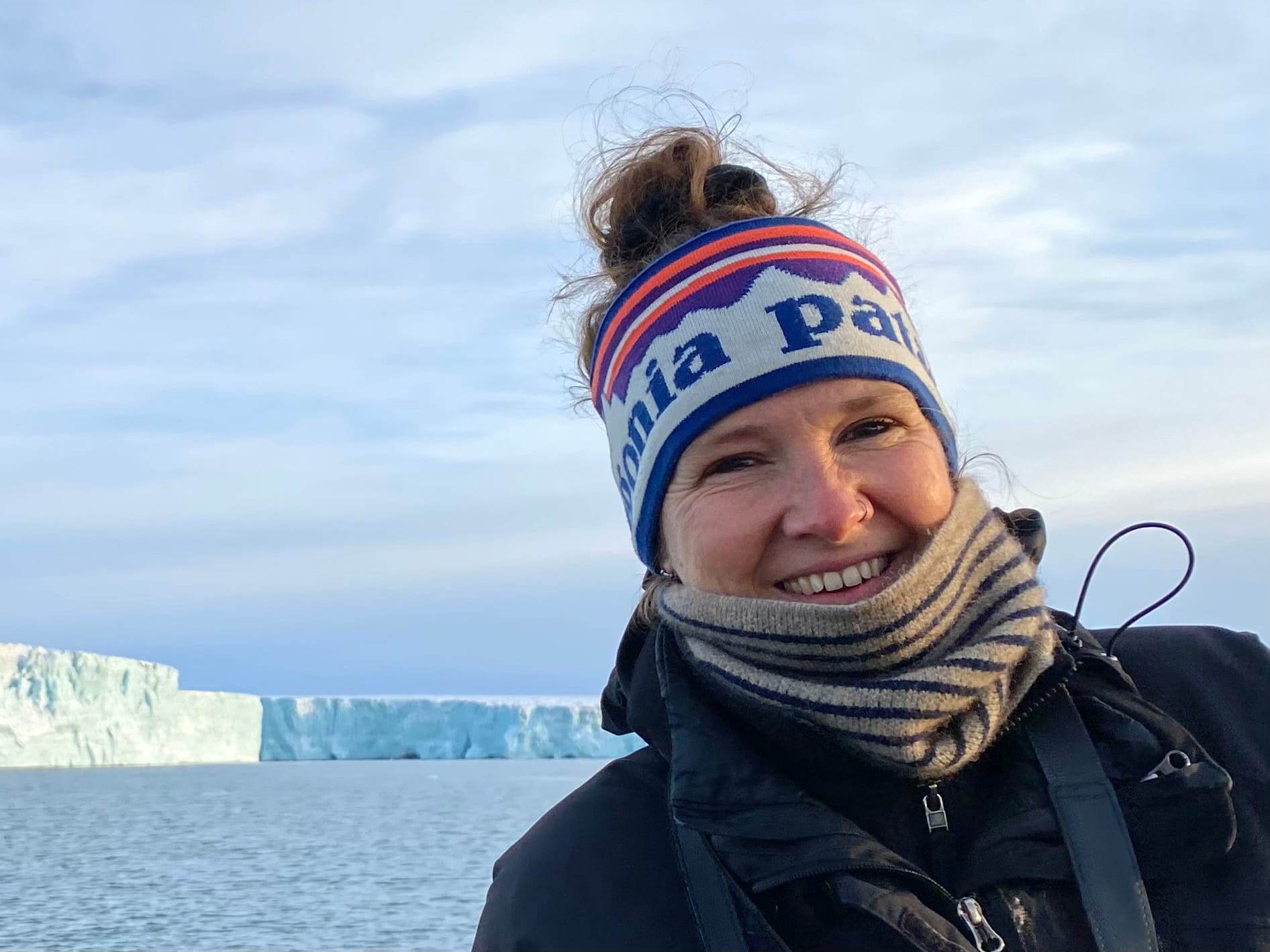
I am currently finishing a postdoctoral position at the University of Rhode Island in the United States, working with Dr. Sarah Kienle. About a year and a half ago, we moved from Baylor University to Rhode Island, but the research projects remained the same at both institutions.
Where are you from, and where is your work based?
“That is a tricky one! I am from Chile, and that is still where my life feels rooted. My work is currently based at the University of Rhode Island in the United States, but my partner is from the Netherlands, and I hope to transition there as soon as possible. At the same time, the animals I study live in Antarctic and subantarctic regions, especially Patagonia in southern Chile, so a big part of my time is spent planning and coordinating fieldwork in those remote areas. In a way, my work does not belong to one place, it lives a bit everywhere.”
What are you currently working on, and what does a typical day look like for you?
“I work in pinniped ecology, which is the study of seals and sea lions and how they interact with their environment. My postdoctoral research focuses on leopard seals and their ecology and evolutionary history, meaning how they behave, what they eat, where they move, and how they have adapted over time. I study not only animals from Antarctica but also individuals found in South America, which are helping us understand how connected these populations really are. Chile has many seal species, so I also work with fur seals from Chile, in remote islands such as the Juan Fernandez Archipelago, asking similar questions about diet, distribution, and more recently how humans and seals interact.
A typical day is probably less exciting than people imagine. Most of the year I am reading, writing papers and permits, answering emails, and working with data in programs like RStudio. That is the reality of science. But then, for a few weeks each year, everything changes. I am out in the field collecting samples from leopard seals, navigating through icebergs, working in cold and remote environments, and experiencing some of the most beautiful places I have ever seen. For those weeks, I feel incredibly lucky. The rest of the time… well, it is still an office job, just one with very cool stories behind it.”
Have you been to the Antarctic? How would you describe your experience?
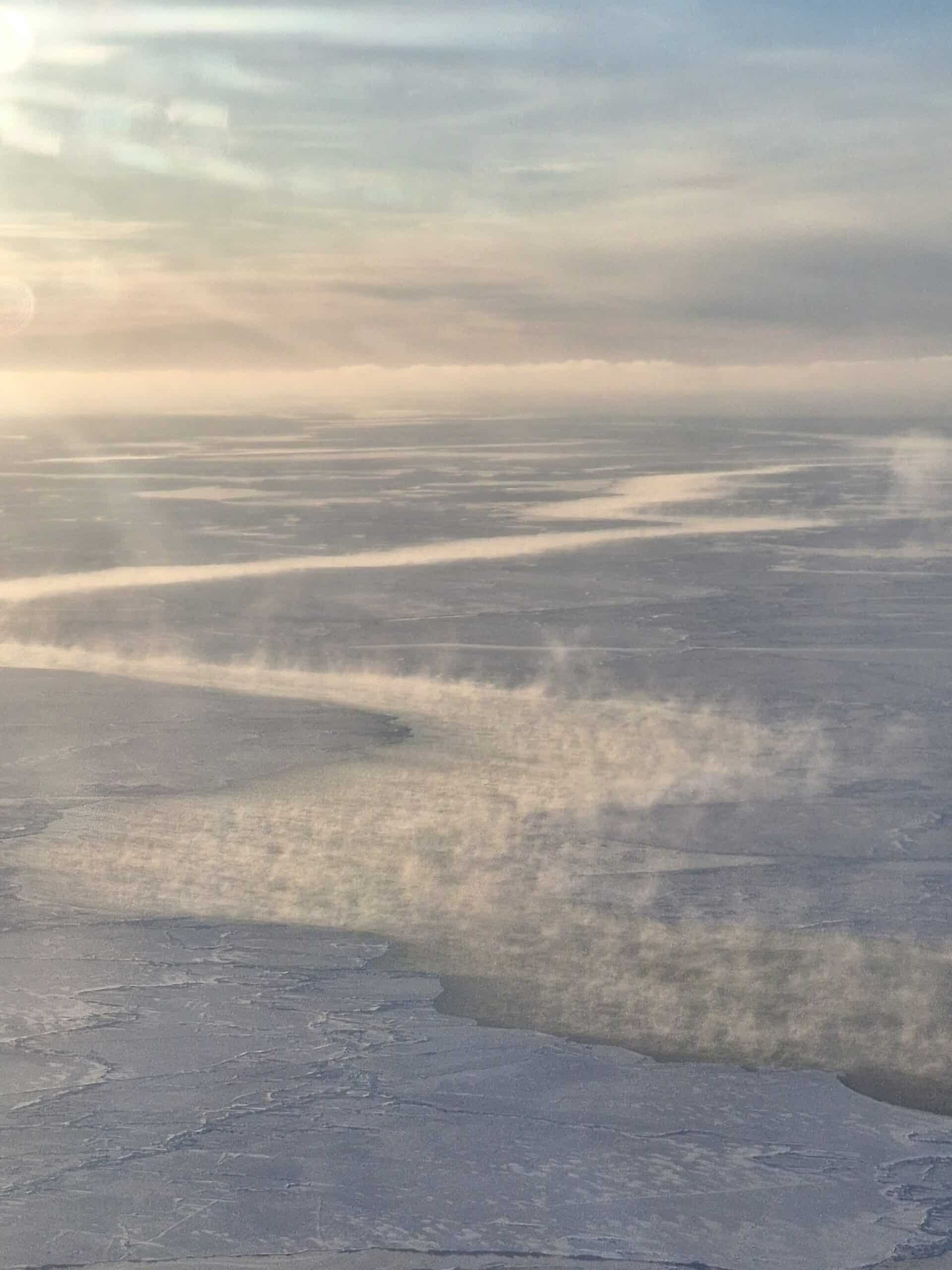
“Yes, I have been to Antarctica eleven times in different roles, including research (five times), logistics and scientific coordination (three times), and as a guest speaker on expedition vessels (three times). It has been an incredible experience. I have worked in very remote areas as well as more visited ones, on land and underwater (I am a Polar diver too). The tourism side also gave me a different perspective, showing how people connect with Antarctica, which is sometimes debated but also very powerful. There is a saying that there are two kinds of people who go to Antarctica, those who go once and that is enough, and those who cannot stop trying to return. I am definitely and proudly in the second group.”
What skill are you currently developing?
“I recently improved my zodiac driving skills here in the Netherlands, which was both fun and very useful for fieldwork. I am also starting to work with satellite imagery for biodiversity monitoring and computer vision, which I really enjoy, but I am a beginner. And on a more personal note, I am trying to learn Dutch… which is proving to be quite challenging!”
What topic will you be presenting at NL Polar Day?
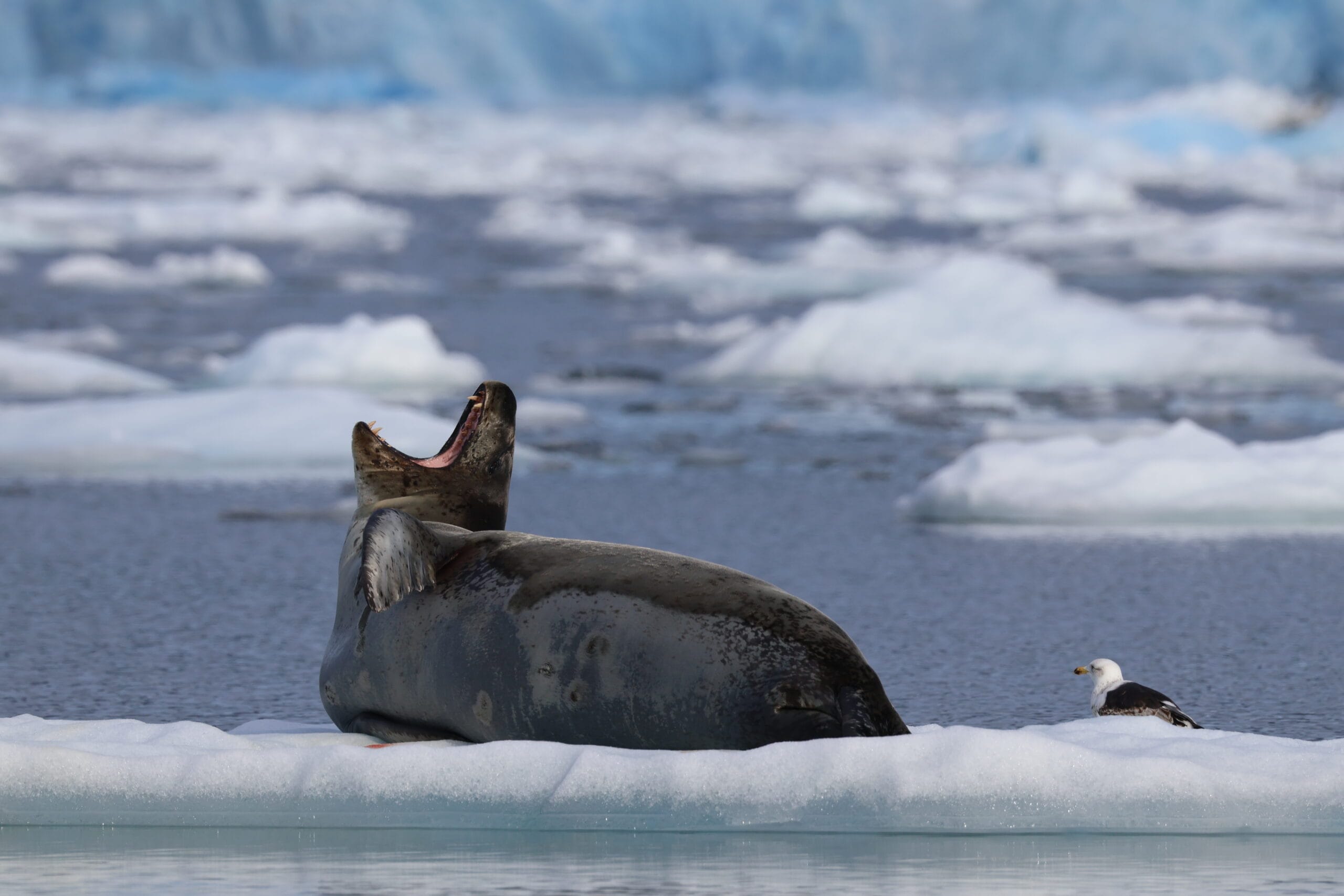
“I will present what our working group has discovered about leopard seals in the last five years of work and invite people to become part of this growing collaborative effort. Across the Southern Hemisphere: Ecology, Connectivity, and Collaborative Monitoring of an Antarctic Predator: Traditionally, leopard seals have been described as solitary apex predators, meaning they are at the top of the food web and do not have natural predators, and are thought to live mainly in Antarctica. Animals seen in other places, like South America or New Zealand, were often considered just visitors. My colleagues and I wanted to test this idea. We study leopard seals outside Antarctica and compare them with Antarctic individuals, both in terms of their ecology and their genetics, which tells us how populations are related.
I am particularly interested in connectivity, meaning how individuals move and whether populations are linked across the Southern Hemisphere. In some places, seals may be residents, in others they may be passing through, and in some cases they may do both. This also rise the idea that, they may not be so solitaries after all. Is a matter of scale perhaps. One of our main tools to study each individual and their behavior is photo identification. Leopard seals have unique spot patterns, like fingerprints, which allow us to recognize individuals over time. Every photograph becomes valuable data, so this work is called “connectivity” not just because of the leopard seals, but because it connects scientists with conservationists, tour operators, and anyone who encounters these animals and wants to collaborate.”
What are you most looking forward to ahead of NL Polar Day?
“Two things, one scientific and one personal, but both about connecting. Scientifically, I am excited to meet scientists and tour operators and others who can help us better understand leopard seal global distribution, since they are often the ones seeing these animals in remote places. On a personal level, I would really like to explore opportunities in the Netherlands, where I hope to move and continue my career. I also have around ten years of experience working in Antarctic logistics soe of those years with the Chilean Antarctic Institute, so I hope I can help build bridges between the Netherlands and Antarctic research.”
What is the biggest challenge you are facing in your career right now?
“I think it is the same challenge that many of my fellow postdoctoral researchers are facing: instability and uncertainty. Can we continue doing what we love in a changing world? For me, the challenge is finding a way to keep working on Antarctic systems while building a career in the Netherlands, which is far from the continent itself. I am hopeful that opportunities like this will help create new collaborations. Antarctica is huge and still not fully understood, and studying it is more important than ever in the context of global change.”
What motivates you to carry on your research?
“Curiosity, simple as that. Once a question gets into my head, it is very hard to let it go. Fieldwork is one of my favorite parts, but it is only a small fraction of what we do. Most of the time is spent trying to understand systems or species that feel almost impossible to study, and finding ways to do it anyway. That challenge is what keeps me going.”